


North America will experience the highest sustained natural gas prices in history if no measures are taken to boost supply or damp demand, according to a study released on Friday by Cambridge Energy Research Associates (CERA).
In the past 20 months, natural gas prices have risen above $4 per million British thermal units (MMBtu), from the $2-$3 range of the past 14 years. Regional daily gas prices have broken new records of more than $5, and the industry adviser forecasts prices will average as high as $6.62 per MMBtu by 2007, even without severe weather that could drive prices higher still.
The rising prices, produced by growing demand amid falling domestic supplies, have already pushed some industry out of the US, and other companies are expected to mothball plants or prepare to relocate, should prices reach the $6.50-$8 range.
Residential and commercial customers are also seeing higher bills, which, if they continue to rise, could have a negative effect on the economy.
“If the market is considered in crisis now, or at least difficult straits, the outlook for the market ahead is anything but settling,” said the report, sponsored by Accenture, the management consultancy.
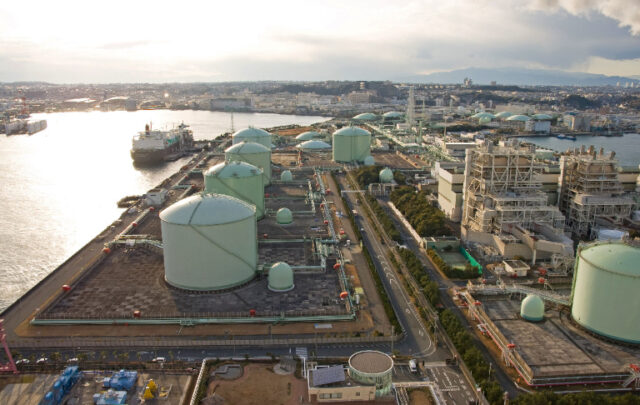
Michael Zenker, head of CERA’s North America Natural Gas Service, said liquefied natural gas (LNG) was expected to bring prices down in 2008-2009, if new LNG receiving terminals were operating.
Dozens of terminals have been proposed but only one is under construction.
“New LNG facilities are not guaranteed, and if they are delayed, gas prices could continue their upward trajectory beyond 2007,” CERA warned.
The study advises that policy responses be implemented quickly, noting that they must have an impact on the market within the next five years to be most effective.
The options identified include reducing demand for natural gas by encouraging the use of other less environmentally friendly fuels, promoting conservation, and encouraging new supply sources.
Additional supplies could come from supporting the expansion of the four existing LNG import terminals and the construction of new ones opposed by local communities, streamlining the issuing of permits for exploration and production in areas already open, and by being flexible in areas bogged down in restrictions.
“None of them are that politically popular,” Mr Zenker said. Indeed, Ross Tokmakian, a partner at Accenture’s North American Utilities Practice, noted: “It takes a pretty hefty and sustained shock to make something happen in Washington. The bet that companies should be making now is on price volatility.”




Comments