

A designer learning to let go, whilst retaining agency to act. Research, practice, enterprise and education. Towards an ecological fashion commons and new/old livelihoods.
'SELECT SQL_CALC_FOUND_ROWS wp_posts.ID
FROM wp_posts INNER JOIN wp_postmeta ON ( wp_posts.ID = wp_postmeta.post_id )
WHERE 1=1 AND (
wp_posts.ID NOT IN (
SELECT object_id
FROM wp_term_relationships
WHERE term_taxonomy_id IN (47485,47486)
)
) AND (
(
( wp_postmeta.meta_key = \'the_author\' AND wp_postmeta.meta_value = \'3514066\' )
OR
( wp_postmeta.meta_key = \'secondary_author\' AND wp_postmeta.meta_value LIKE \'{e549d3aec40177eee138439081071c225abc4397a9df0080544e8c46df4aae1d}\\"3514066\\"{e549d3aec40177eee138439081071c225abc4397a9df0080544e8c46df4aae1d}\' )
)
) AND wp_posts.post_type = \'post\' AND ((wp_posts.post_status = \'publish\'))
GROUP BY wp_posts.ID
ORDER BY wp_posts.post_date DESC
LIMIT 0, 6'
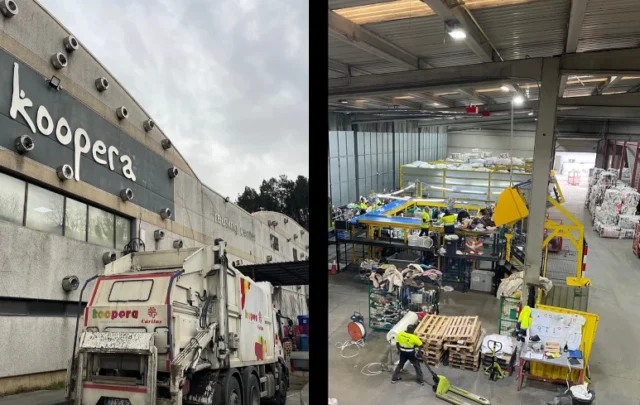
Small-scale supply chains in action
We are putting the concepts mentioned into action, experimenting to see if new scales and ecosystems are possible. This creates hyper-local, context-led action held gently by a wide boundary systems view and strongly held duties of care. We cannot wait to start producing our own tangible, hold-in-your-hand, outputs.
February 27, 2026
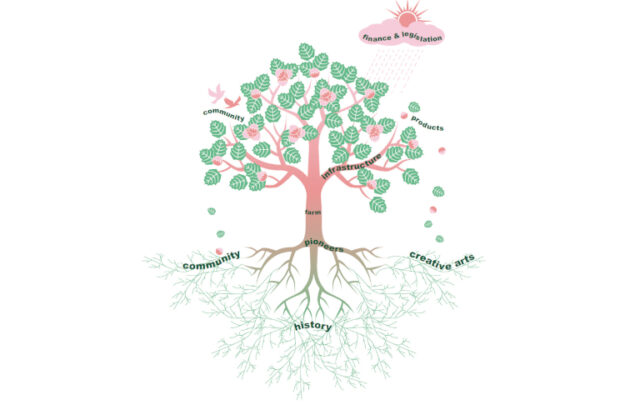
Revisiting the Nova Scotia Flax to Linen Ecosystem
New fibre eco systems will always be place-based and context driven and every instance will likely be different depending on the history, land, culture and personalities of the residents.
February 18, 2026

Rethinking Supply Chains
Working at smaller scales means that the benefits of additional crop rotations, processing mills and artisan-micro-maker labs could be spread throughout the country, bringing greater resilience and livelihoods to rural areas. Energy demands would be lower and distributed as processing would be localised and require limited transport.
November 14, 2025

Why I’ve given up on fashion and why we need to build a new earth-centric culture
I invite everyone to examine their wardrobes and their own perspectives, to develop unique ways forward and tentatively build a new clothing culture. This may seem difficult or even impossible but what is fashionable starts in the mind, something that is within all our power.
September 16, 2025
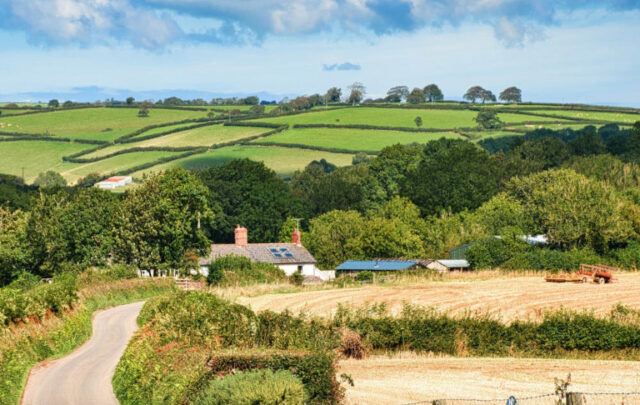
Dreaming of a small fashion farm
Situated within a bioregion populated by a multitude of small-scale nested ecosystems that grow food and create useful materials alongside textile fibres the fashion farm will require integration into wider production systems and seasons. It will require learning to be we not I. This dream is too big for one person and a single farm, it is something we must manifest together.
July 21, 2025
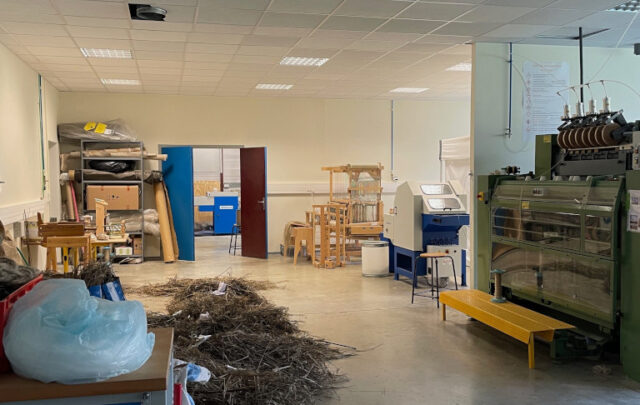
The potential of bioregional, collective and small-scale, natural fibre systems
We can create conditions of emergence for a democratic, cooperative, commons-based, ecological clothing culture. To achieve this, international knowledge exchange will be sought alongside local experimentation. With determination, cooperation, and careful planning, new fibre systems will be possible.
July 2, 2025

