

'SELECT SQL_CALC_FOUND_ROWS wp_posts.ID
FROM wp_posts INNER JOIN wp_postmeta ON ( wp_posts.ID = wp_postmeta.post_id )
WHERE 1=1 AND (
wp_posts.ID NOT IN (
SELECT object_id
FROM wp_term_relationships
WHERE term_taxonomy_id IN (47485,47486)
)
) AND (
(
( wp_postmeta.meta_key = \'the_author\' AND wp_postmeta.meta_value = \'1256775\' )
OR
( wp_postmeta.meta_key = \'secondary_author\' AND wp_postmeta.meta_value LIKE \'{490663417702b88a360d73f44b3d2fef892b128cc9fd794f2776ef9a538dfacf}\\"1256775\\"{490663417702b88a360d73f44b3d2fef892b128cc9fd794f2776ef9a538dfacf}\' )
)
) AND wp_posts.post_type = \'post\' AND ((wp_posts.post_status = \'publish\'))
GROUP BY wp_posts.ID
ORDER BY wp_posts.post_date DESC
LIMIT 0, 6'
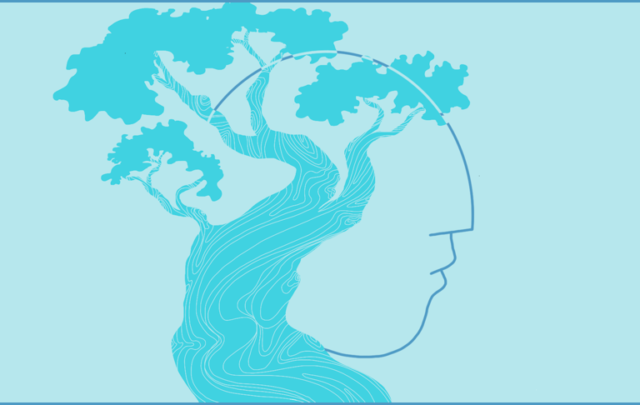
Does Ecoliteracy Prevent Environmental Action?: State of the World 2014
Why environmental education isn’t enough to create change and improve governance.
August 14, 2014
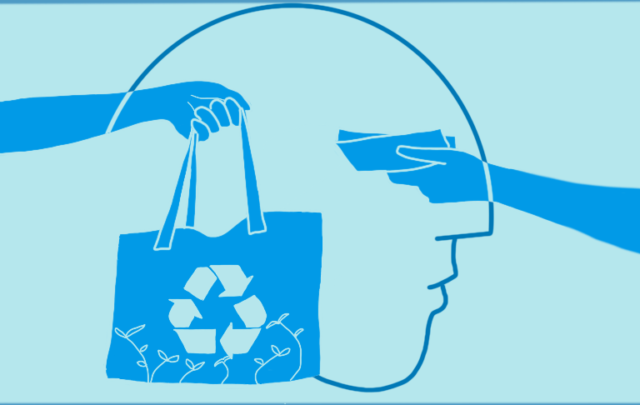
Degrowth offers alternative to global consumer culture
If everyone lived like the average American, according to the Global Footprint Network, the Earth could sustain only 1.7 billion people — a quarter of today’s population — without undermining the planet’s physical and biological systems. Over-consumption in industrialized societies and among developing world elites causes lasting environmental and human impacts.
October 19, 2012

