

PhD Candidate in History, University of York
'SELECT SQL_CALC_FOUND_ROWS wp_posts.ID
FROM wp_posts INNER JOIN wp_postmeta ON ( wp_posts.ID = wp_postmeta.post_id )
WHERE 1=1 AND (
wp_posts.ID NOT IN (
SELECT object_id
FROM wp_term_relationships
WHERE term_taxonomy_id IN (47485,47486)
)
) AND (
(
( wp_postmeta.meta_key = \'the_author\' AND wp_postmeta.meta_value = \'3474710\' )
OR
( wp_postmeta.meta_key = \'secondary_author\' AND wp_postmeta.meta_value LIKE \'{f8f2291e3a30536d7d7d160101e846814368fec9c5f004171f043d70a810d57f}\\"3474710\\"{f8f2291e3a30536d7d7d160101e846814368fec9c5f004171f043d70a810d57f}\' )
)
) AND wp_posts.post_type = \'post\' AND ((wp_posts.post_status = \'publish\'))
GROUP BY wp_posts.ID
ORDER BY wp_posts.post_date DESC
LIMIT 0, 6'
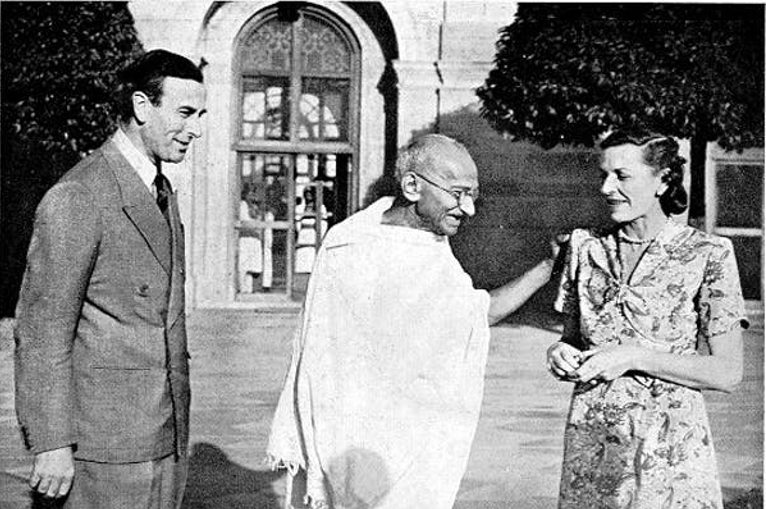
Gandhi is Still Relevant – and Can Inspire a New Form of Politics Today
Seventy years after Gandhi’s assassination on the streets of New Delhi, Ramachandra Guha’s new book, Gandhi: The Years That Changed the World, 1914-48, reopens a familiar debate around his legacy. What was Gandhi’s message? What were his politics? What can we learn from him today? And is he still relevant?
December 7, 2018

