

Sophie Marjanac is a lawyer at ClientEarth in the UK.
'SELECT SQL_CALC_FOUND_ROWS wp_posts.ID
FROM wp_posts INNER JOIN wp_postmeta ON ( wp_posts.ID = wp_postmeta.post_id )
WHERE 1=1 AND (
wp_posts.ID NOT IN (
SELECT object_id
FROM wp_term_relationships
WHERE term_taxonomy_id IN (47485,47486)
)
) AND (
(
( wp_postmeta.meta_key = \'the_author\' AND wp_postmeta.meta_value = \'3468380\' )
OR
( wp_postmeta.meta_key = \'secondary_author\' AND wp_postmeta.meta_value LIKE \'{51e8753f574662346a6f76f8438ae54d5f9347ad679f0411649951d0e4ae91e9}\\"3468380\\"{51e8753f574662346a6f76f8438ae54d5f9347ad679f0411649951d0e4ae91e9}\' )
)
) AND wp_posts.post_type = \'post\' AND ((wp_posts.post_status = \'publish\'))
GROUP BY wp_posts.ID
ORDER BY wp_posts.post_date DESC
LIMIT 0, 6'
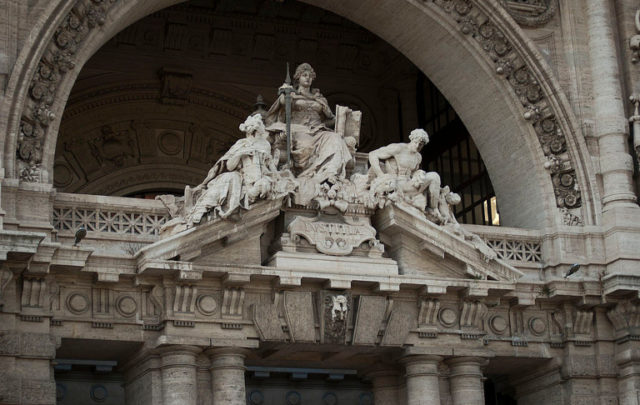
Deploying the Science of Extreme Weather Attribution in the Courts
For decades, proving the link between human greenhouse gas emissions and their impact on extreme weather events was thought to be near impossible. Now, scientific advancements in extreme weather event attribution are turning this assumption on its head. At the same time, courts around the world are increasingly being asked to consider questions of liability arising from a relationship between the loss and damage caused by an extreme weather event and climate change.
September 12, 2017

