Prof Siri Eriksen, professor at the Department of Public Health Science at the Norwegian University of Life Sciences.
'SELECT SQL_CALC_FOUND_ROWS wp_posts.ID
FROM wp_posts INNER JOIN wp_postmeta ON ( wp_posts.ID = wp_postmeta.post_id )
WHERE 1=1 AND (
wp_posts.ID NOT IN (
SELECT object_id
FROM wp_term_relationships
WHERE term_taxonomy_id IN (47485,47486)
)
) AND (
(
( wp_postmeta.meta_key = \'the_author\' AND wp_postmeta.meta_value = \'3485241\' )
OR
( wp_postmeta.meta_key = \'secondary_author\' AND wp_postmeta.meta_value LIKE \'{0084861fd254fcad6285dec7a15a5f0ae697e3d748d737994ac98ea1420164d5}\\"3485241\\"{0084861fd254fcad6285dec7a15a5f0ae697e3d748d737994ac98ea1420164d5}\' )
)
) AND wp_posts.post_type = \'post\' AND ((wp_posts.post_status = \'publish\'))
GROUP BY wp_posts.ID
ORDER BY wp_posts.post_date DESC
LIMIT 0, 6'
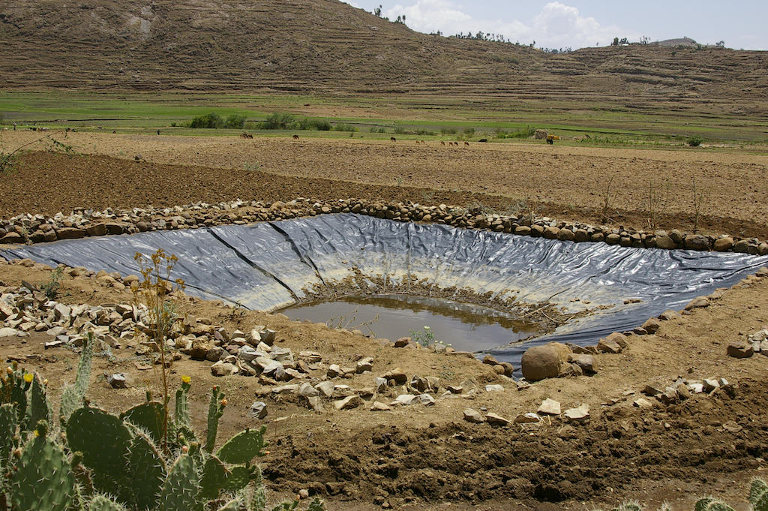
Why avoiding climate change ‘maladaptation’ is vital
In our new study – published in the journal World Development – we come to the unsettling conclusion that many adaptation projects can make people more, rather than less, vulnerable to climate change. This is known as “maladaptation”.
February 12, 2021