Professor in the Department of Anthropology, Director of Durham Energy Institute, Durham University
'SELECT SQL_CALC_FOUND_ROWS wp_posts.ID
FROM wp_posts INNER JOIN wp_postmeta ON ( wp_posts.ID = wp_postmeta.post_id )
WHERE 1=1 AND (
wp_posts.ID NOT IN (
SELECT object_id
FROM wp_term_relationships
WHERE term_taxonomy_id IN (47485,47486)
)
) AND (
(
( wp_postmeta.meta_key = \'the_author\' AND wp_postmeta.meta_value = \'3514832\' )
OR
( wp_postmeta.meta_key = \'secondary_author\' AND wp_postmeta.meta_value LIKE \'{b9d571f6bb6519dbfd66084b9dcb9c03724c982e325d34f49476116295d191e7}\\"3514832\\"{b9d571f6bb6519dbfd66084b9dcb9c03724c982e325d34f49476116295d191e7}\' )
)
) AND wp_posts.post_type = \'post\' AND ((wp_posts.post_status = \'publish\'))
GROUP BY wp_posts.ID
ORDER BY wp_posts.post_date DESC
LIMIT 0, 6'
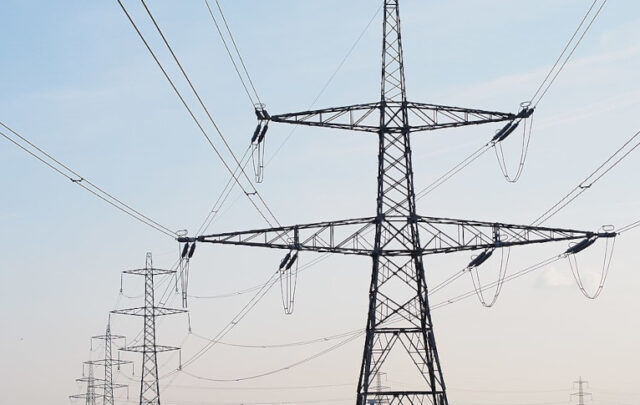
‘Pylon wars’ show why big energy plans need locals on board
Top down decisions about “national infrastructure” may save time on paper but are not a good way to make progress. It appears autocratic and shifts objectors onto the streets or into the courts. Real consultation takes time and effort. But it builds trust and leads to better outcomes.
July 16, 2025