

Simon Fairlie worked for twenty years variously as an agricultural labourer, vine worker, shepherd, fisherman, builder and stonemason before being ensnared by the computer in 1990. He was a coeditor of The Ecologist magazine for four years until he joined a farming community in 1994 where he managed the cows, pigs and a working horse. Simon is a founding editor of The Land magazine, and he earns a living by selling scythes. He is the author of Low Impact Development: Planning and People in a Sustainable Countryside (1996), Meat: A Benign Extravagance (2010), and Going to Seed: A Counterculture Memoir (2022).
'SELECT SQL_CALC_FOUND_ROWS wp_posts.ID
FROM wp_posts INNER JOIN wp_postmeta ON ( wp_posts.ID = wp_postmeta.post_id )
WHERE 1=1 AND (
wp_posts.ID NOT IN (
SELECT object_id
FROM wp_term_relationships
WHERE term_taxonomy_id IN (47485,47486)
)
) AND (
(
( wp_postmeta.meta_key = \'the_author\' AND wp_postmeta.meta_value = \'1252855\' )
OR
( wp_postmeta.meta_key = \'secondary_author\' AND wp_postmeta.meta_value LIKE \'%\\"1252855\\"%\' )
)
) AND wp_posts.post_type = \'post\' AND ((wp_posts.post_status = \'publish\'))
GROUP BY wp_posts.ID
ORDER BY wp_posts.post_date DESC
LIMIT 0, 6'
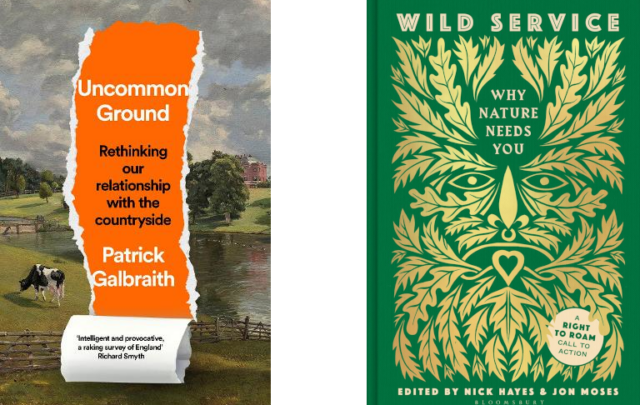
Beyond the Right to Roam
Two recent books, Wild Service, a collection of essays edited by Nick Hayes with Jon Moses and Uncommon Ground by Patrick Galbraith, share a common theme: they both seek to address the “disconnectedness” of the mass of the public from nature and the countryside. Yet the two books could hardly be more different.
February 3, 2026
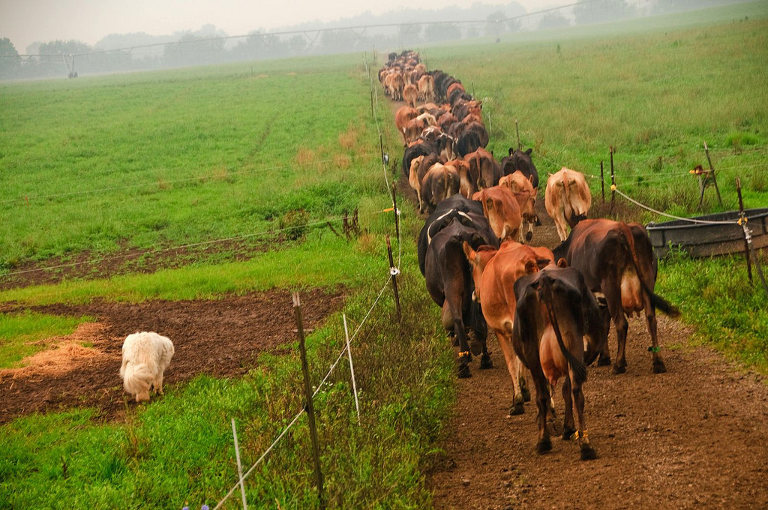
Monbiotic Man
The imperative is not to stop farming, but to phase out fossil fuels very quickly. Cavalier polemics that cast primary responsibility for our predicament elsewhere are a dangerous diversion.
August 25, 2022
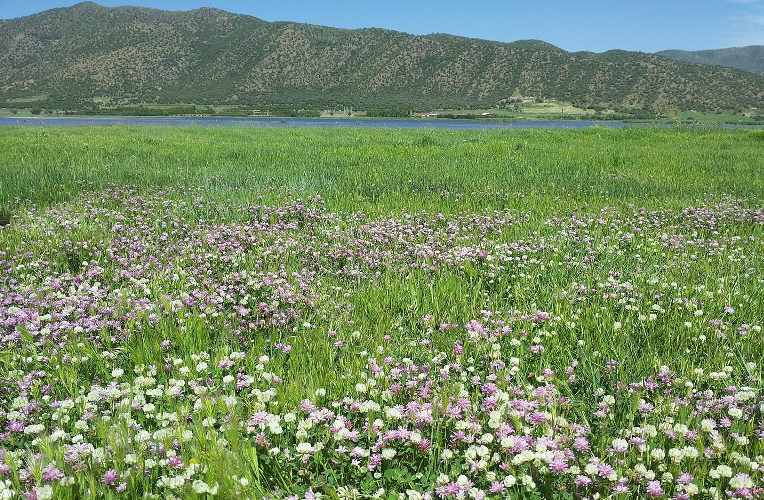
Is There Life After Fert?
A return to mixed farming would bring with it numerous blessings: reduced water pollution, greater agricultural biodiversity, healthier soils, reduced reliance on pesticides and herbicides, more farm jobs and more varied and interesting work.
March 24, 2022
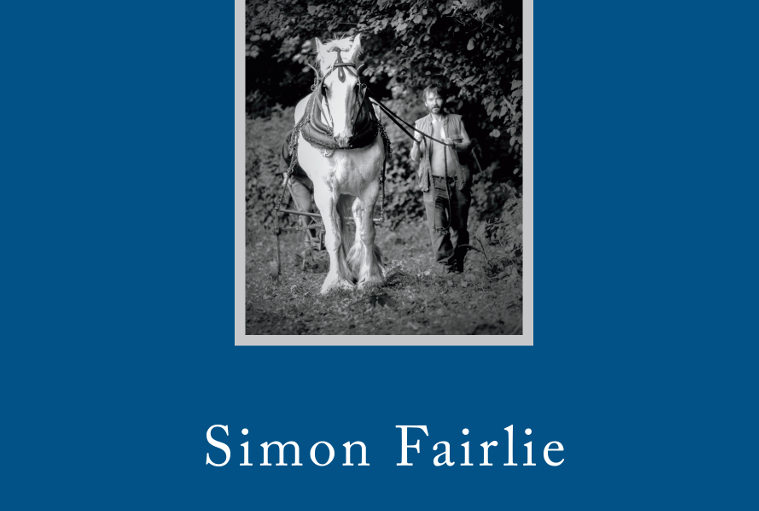
Going to Seed: Excerpt
The 1950s was arguably the decade that best matched a decent standard of living to a sustainable way of life.
February 14, 2022
Greed and Its Offsets
In the face of these pressures there remains a dogged belief amongst many in the farming community that the purpose of agriculture is to produce food. A growing number of consumers are keen to buy high quality local food, produced through sound husbandry (as agroecology used to be called).
July 16, 2021

Wear the Landscape: Review of Fibershed
In the USA, 98 percent of all garments are now imported, compared with just five percent in 1965. Fibershed is a welcome plea for a movement to relocalize textile production, similar to that which has revived demand for local foods over the last 20 years.
February 7, 2020

