

'SELECT SQL_CALC_FOUND_ROWS wp_posts.ID
FROM wp_posts INNER JOIN wp_postmeta ON ( wp_posts.ID = wp_postmeta.post_id )
WHERE 1=1 AND (
wp_posts.ID NOT IN (
SELECT object_id
FROM wp_term_relationships
WHERE term_taxonomy_id IN (47485,47486)
)
) AND (
(
( wp_postmeta.meta_key = \'the_author\' AND wp_postmeta.meta_value = \'3472956\' )
OR
( wp_postmeta.meta_key = \'secondary_author\' AND wp_postmeta.meta_value LIKE \'{37b2bc34239ed1fcea7d88dec8286c8a39514852abfc8105d0e1047a562c884a}\\"3472956\\"{37b2bc34239ed1fcea7d88dec8286c8a39514852abfc8105d0e1047a562c884a}\' )
)
) AND wp_posts.post_type = \'post\' AND ((wp_posts.post_status = \'publish\'))
GROUP BY wp_posts.ID
ORDER BY wp_posts.post_date DESC
LIMIT 0, 6'
Positive, Negative and Neutral Design
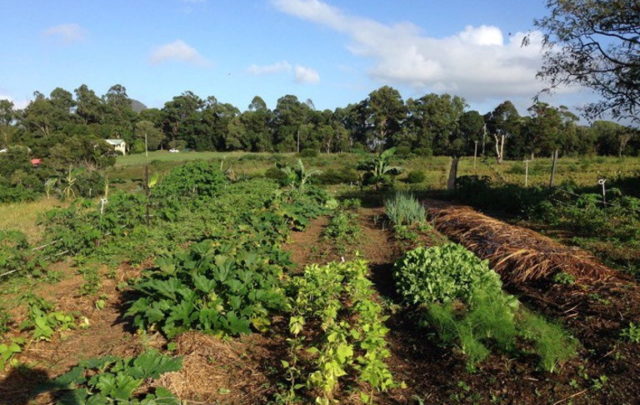
To me the most successful approach lies in using the most weakly positive approaches to enhancing plant growth to maximise the effectiveness of limited resources, then applying negative design to shape the vegetation across the landscape.
July 23, 2018

