

Professor of History, Drexel University
'SELECT SQL_CALC_FOUND_ROWS wp_posts.ID
FROM wp_posts INNER JOIN wp_postmeta ON ( wp_posts.ID = wp_postmeta.post_id )
WHERE 1=1 AND (
wp_posts.ID NOT IN (
SELECT object_id
FROM wp_term_relationships
WHERE term_taxonomy_id IN (47485,47486)
)
) AND (
(
( wp_postmeta.meta_key = \'the_author\' AND wp_postmeta.meta_value = \'3468473\' )
OR
( wp_postmeta.meta_key = \'secondary_author\' AND wp_postmeta.meta_value LIKE \'{2d5bb6a76755ff5403c1b1bcae806bd1862e3e9c691cd03d3973d41f3c8af770}\\"3468473\\"{2d5bb6a76755ff5403c1b1bcae806bd1862e3e9c691cd03d3973d41f3c8af770}\' )
)
) AND wp_posts.post_type = \'post\' AND ((wp_posts.post_status = \'publish\'))
GROUP BY wp_posts.ID
ORDER BY wp_posts.post_date DESC
LIMIT 0, 6'
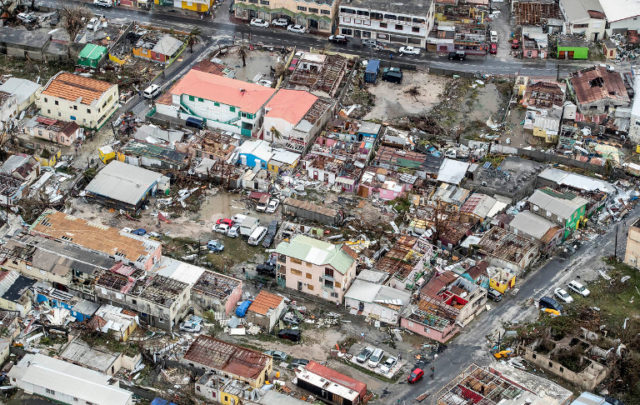
Why Hurricanes Harvey and Irma won’t Lead to Action on Climate Change
It’s not easy to hold the nation’s attention for long, but three solid weeks of record smashing hurricanes directly affecting multiple states and at least 20 million people will do it. Clustered disasters hold our attention in ways that singular events cannot – they open our minds to the possibility that these aren’t just accidents or natural phenomena to be painfully endured.
September 19, 2017

