

Postdoctoral research fellow, Edinburgh Napier University
'SELECT SQL_CALC_FOUND_ROWS wp_posts.ID
FROM wp_posts INNER JOIN wp_postmeta ON ( wp_posts.ID = wp_postmeta.post_id )
WHERE 1=1 AND (
wp_posts.ID NOT IN (
SELECT object_id
FROM wp_term_relationships
WHERE term_taxonomy_id IN (47485,47486)
)
) AND (
(
( wp_postmeta.meta_key = \'the_author\' AND wp_postmeta.meta_value = \'3489223\' )
OR
( wp_postmeta.meta_key = \'secondary_author\' AND wp_postmeta.meta_value LIKE \'{28d2ee4b7561c5418e050cca95402da07628cbb620c0a163d35be99618df17b7}\\"3489223\\"{28d2ee4b7561c5418e050cca95402da07628cbb620c0a163d35be99618df17b7}\' )
)
) AND wp_posts.post_type = \'post\' AND ((wp_posts.post_status = \'publish\'))
GROUP BY wp_posts.ID
ORDER BY wp_posts.post_date DESC
LIMIT 0, 6'
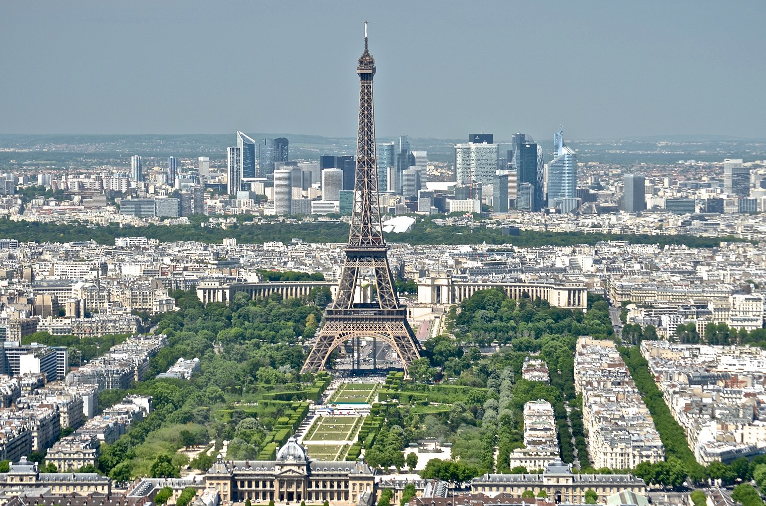
Cities and climate change: why low-rise buildings are the future – not skyscrapers
Our recent study, which examined whether building denser and taller is the right path to sustainability, busts this myth: we found that densely built, low-rise environments are more space and carbon efficient, while high-rise buildings have a drastically higher carbon impact.
October 28, 2021

