

'SELECT SQL_CALC_FOUND_ROWS wp_posts.ID
FROM wp_posts INNER JOIN wp_postmeta ON ( wp_posts.ID = wp_postmeta.post_id )
WHERE 1=1 AND (
wp_posts.ID NOT IN (
SELECT object_id
FROM wp_term_relationships
WHERE term_taxonomy_id IN (47485,47486)
)
) AND (
(
( wp_postmeta.meta_key = \'the_author\' AND wp_postmeta.meta_value = \'1333906\' )
OR
( wp_postmeta.meta_key = \'secondary_author\' AND wp_postmeta.meta_value LIKE \'{62416d2e0d3ff0163dcf0dff203ecf95e83750cedd89edb742d54a07a01751a9}\\"1333906\\"{62416d2e0d3ff0163dcf0dff203ecf95e83750cedd89edb742d54a07a01751a9}\' )
)
) AND wp_posts.post_type = \'post\' AND ((wp_posts.post_status = \'publish\'))
GROUP BY wp_posts.ID
ORDER BY wp_posts.post_date DESC
LIMIT 0, 6'
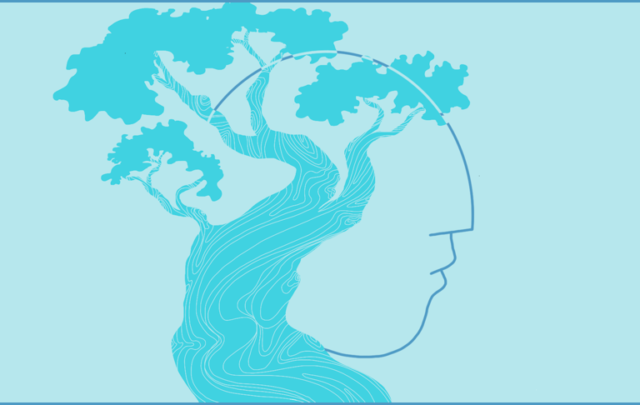
Economics as “unusual” in Australian politics
An important event has been hardly noticed in Australian politics. But it could be the start of a trend to recognize and address causes of social and environmental problems rather than merely to struggle with the symptoms. Until recently economic growth, as measured by gross domestic product (GDP), has been the primary indicator of governmental performance, with alternatives virtually absent from the political discourse. At last one brave member of Parliament is changing that, unafraid to lead the way toward a steady state economy.
December 4, 2012

