

Professor Richard Betts MBE is the head of climate impacts research at the Met Office and University of Exeter.
'SELECT SQL_CALC_FOUND_ROWS wp_posts.ID
FROM wp_posts INNER JOIN wp_postmeta ON ( wp_posts.ID = wp_postmeta.post_id )
WHERE 1=1 AND (
wp_posts.ID NOT IN (
SELECT object_id
FROM wp_term_relationships
WHERE term_taxonomy_id IN (47485,47486)
)
) AND (
(
( wp_postmeta.meta_key = \'the_author\' AND wp_postmeta.meta_value = \'3480938\' )
OR
( wp_postmeta.meta_key = \'secondary_author\' AND wp_postmeta.meta_value LIKE \'{15e95f5035393b20b6157456ce03e74f3c1fe9e79eb0446e4544b4fd4e1831b5}\\"3480938\\"{15e95f5035393b20b6157456ce03e74f3c1fe9e79eb0446e4544b4fd4e1831b5}\' )
)
) AND wp_posts.post_type = \'post\' AND ((wp_posts.post_status = \'publish\'))
GROUP BY wp_posts.ID
ORDER BY wp_posts.post_date DESC
LIMIT 0, 6'
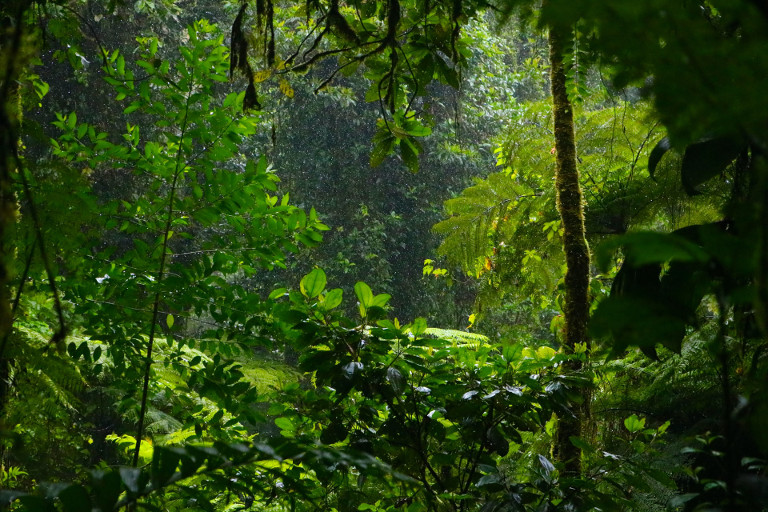
How ‘Carbon-Cycle Feedbacks’ could Make Global Warming Worse
The carbon cycle is the collection of processes that sees carbon exchanged between the atmosphere, land, ocean and the organisms they contain. “Feedbacks” refer to how these processes could change as the Earth warms and atmospheric CO2 concentrations rise.
April 16, 2020

