

Rebecca Hamilton, Max Planck Institute for the Science of Human History
'SELECT SQL_CALC_FOUND_ROWS wp_posts.ID
FROM wp_posts INNER JOIN wp_postmeta ON ( wp_posts.ID = wp_postmeta.post_id )
WHERE 1=1 AND (
wp_posts.ID NOT IN (
SELECT object_id
FROM wp_term_relationships
WHERE term_taxonomy_id IN (47485,47486)
)
) AND (
(
( wp_postmeta.meta_key = \'the_author\' AND wp_postmeta.meta_value = \'3489375\' )
OR
( wp_postmeta.meta_key = \'secondary_author\' AND wp_postmeta.meta_value LIKE \'{b56c24530e5a8e697bb9783ad52def396d85a30febde772a886b36ca95f6133b}\\"3489375\\"{b56c24530e5a8e697bb9783ad52def396d85a30febde772a886b36ca95f6133b}\' )
)
) AND wp_posts.post_type = \'post\' AND ((wp_posts.post_status = \'publish\'))
GROUP BY wp_posts.ID
ORDER BY wp_posts.post_date DESC
LIMIT 0, 6'
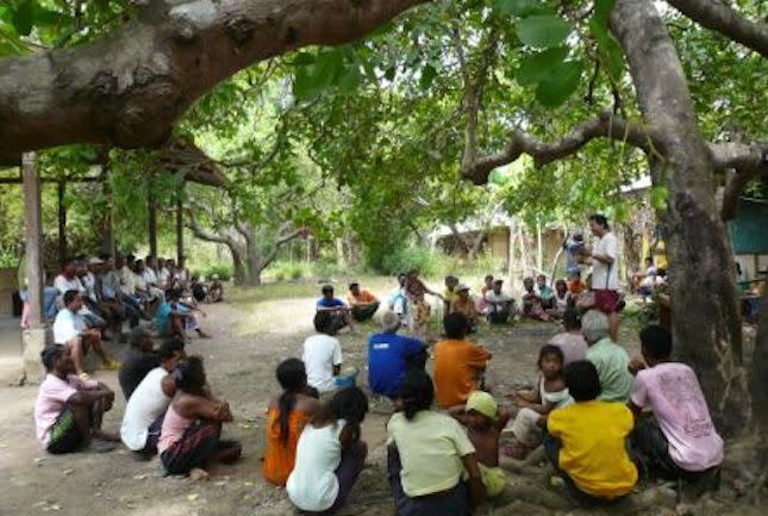
Indigenous knowledge and the myth of ‘wilderness’
Aboriginal ideas of ‘wilderness’ are in contrast to romantic views of a ‘pristine’ environment. But it actively excludes Indigenous and local people from conservation.
November 9, 2021

