'SELECT SQL_CALC_FOUND_ROWS wp_posts.ID
FROM wp_posts INNER JOIN wp_postmeta ON ( wp_posts.ID = wp_postmeta.post_id )
WHERE 1=1 AND (
wp_posts.ID NOT IN (
SELECT object_id
FROM wp_term_relationships
WHERE term_taxonomy_id IN (47485,47486)
)
) AND (
(
( wp_postmeta.meta_key = \'the_author\' AND wp_postmeta.meta_value = \'1153562\' )
OR
( wp_postmeta.meta_key = \'secondary_author\' AND wp_postmeta.meta_value LIKE \'{fe4583fc3237605173a829ec46d0ea4d72e66908deb50fe25854499618d7f1c4}\\"1153562\\"{fe4583fc3237605173a829ec46d0ea4d72e66908deb50fe25854499618d7f1c4}\' )
)
) AND wp_posts.post_type = \'post\' AND ((wp_posts.post_status = \'publish\'))
GROUP BY wp_posts.ID
ORDER BY wp_posts.post_date DESC
LIMIT 0, 6'
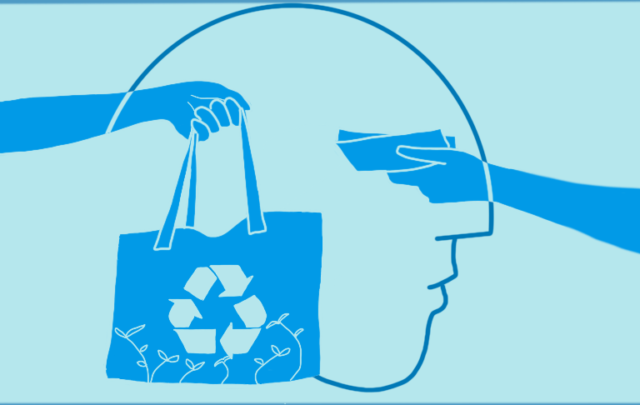
An old commons-based solution to a 21st century crisis
Right here in the desert southwest, in fact, one of the last great “common pool resource” systems in North America provides irrigation water and open grazing land to farmers and pastoralists. Derived from the imported culture of Spanish settlers (via the Arabic Moors who brought the concept to Iberia previously) and combined with the best practices of the native peoples of the region, the acequia system is a powerful example of how we might envision people working together not only with each other but with the land itself.
January 7, 2011