

Mark Serreze is Research Professor of Geography and Director, National Snow and Ice Data Center, University of Colorado Boulder
'SELECT SQL_CALC_FOUND_ROWS wp_posts.ID
FROM wp_posts INNER JOIN wp_postmeta ON ( wp_posts.ID = wp_postmeta.post_id )
WHERE 1=1 AND (
wp_posts.ID NOT IN (
SELECT object_id
FROM wp_term_relationships
WHERE term_taxonomy_id IN (47485,47486)
)
) AND (
(
( wp_postmeta.meta_key = \'the_author\' AND wp_postmeta.meta_value = \'3482013\' )
OR
( wp_postmeta.meta_key = \'secondary_author\' AND wp_postmeta.meta_value LIKE \'{7b3899e5b1ea448c67290b4609d9f5bdba55b95ccaa5519be28ea767cf2b5626}\\"3482013\\"{7b3899e5b1ea448c67290b4609d9f5bdba55b95ccaa5519be28ea767cf2b5626}\' )
)
) AND wp_posts.post_type = \'post\' AND ((wp_posts.post_status = \'publish\'))
GROUP BY wp_posts.ID
ORDER BY wp_posts.post_date DESC
LIMIT 0, 6'
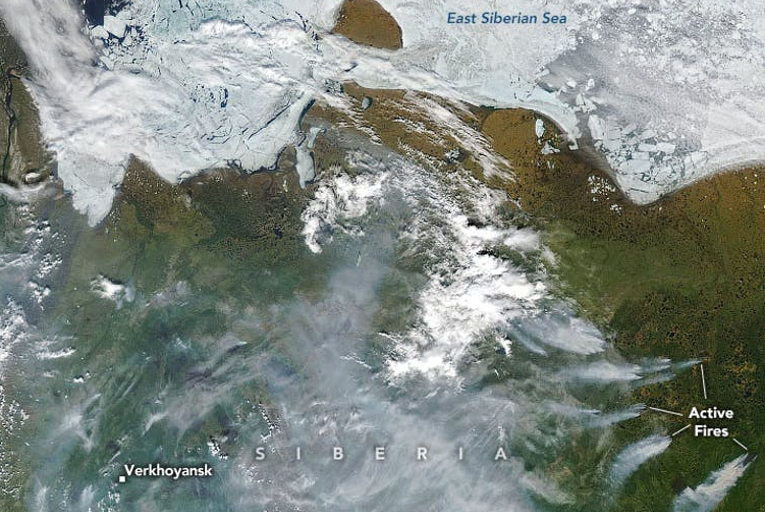
100 degrees in Siberia? 5 Ways the Extreme Arctic Heat Wave Follows a Disturbing Pattern
The Arctic heat wave that sent Siberian temperatures soaring to around 100 degrees Fahrenheit on the first day of summer put an exclamation point on an astonishing transformation of the Arctic environment that’s been underway for about 30 years.
June 29, 2020

