'SELECT SQL_CALC_FOUND_ROWS wp_posts.ID
FROM wp_posts INNER JOIN wp_postmeta ON ( wp_posts.ID = wp_postmeta.post_id )
WHERE 1=1 AND (
wp_posts.ID NOT IN (
SELECT object_id
FROM wp_term_relationships
WHERE term_taxonomy_id IN (47485,47486)
)
) AND (
(
( wp_postmeta.meta_key = \'the_author\' AND wp_postmeta.meta_value = \'1152836\' )
OR
( wp_postmeta.meta_key = \'secondary_author\' AND wp_postmeta.meta_value LIKE \'{2875ed3dfa20f824bee183ed3133ff5d630090ccf9fa4f08fa42c8fff64fd13a}\\"1152836\\"{2875ed3dfa20f824bee183ed3133ff5d630090ccf9fa4f08fa42c8fff64fd13a}\' )
)
) AND wp_posts.post_type = \'post\' AND ((wp_posts.post_status = \'publish\'))
GROUP BY wp_posts.ID
ORDER BY wp_posts.post_date DESC
LIMIT 0, 6'
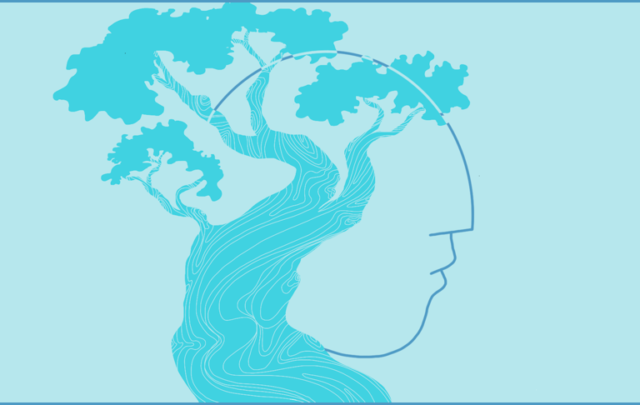
Family planning for the planet
You’ll get no argument from me that less humans would in general be better for the health of the planet. But: “A world of difference exists between services that treat women as population targets and those based on a feminist model of respectful, holistic, high-quality care.”
December 4, 2009