

Post-doctoral Research Fellow, Climate Change Research Centre, UNSW Sydney
'SELECT SQL_CALC_FOUND_ROWS wp_posts.ID
FROM wp_posts INNER JOIN wp_postmeta ON ( wp_posts.ID = wp_postmeta.post_id )
WHERE 1=1 AND (
wp_posts.ID NOT IN (
SELECT object_id
FROM wp_term_relationships
WHERE term_taxonomy_id IN (47485,47486)
)
) AND (
(
( wp_postmeta.meta_key = \'the_author\' AND wp_postmeta.meta_value = \'3506232\' )
OR
( wp_postmeta.meta_key = \'secondary_author\' AND wp_postmeta.meta_value LIKE \'{f7440ddbc1474cd6f80b6e6115c4d96cdf12e488c231cfd82dd7511b42302a57}\\"3506232\\"{f7440ddbc1474cd6f80b6e6115c4d96cdf12e488c231cfd82dd7511b42302a57}\' )
)
) AND wp_posts.post_type = \'post\' AND ((wp_posts.post_status = \'publish\'))
GROUP BY wp_posts.ID
ORDER BY wp_posts.post_date DESC
LIMIT 0, 6'
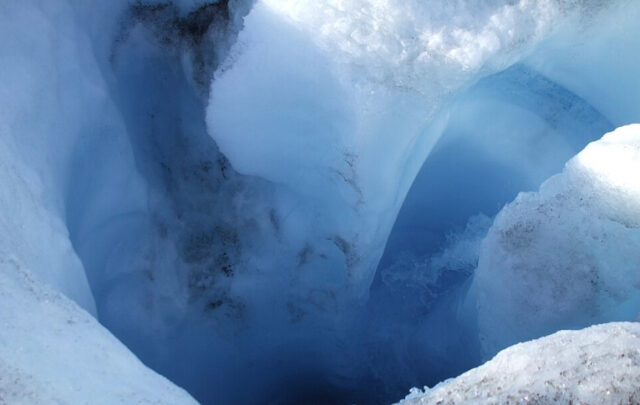
Meltwater from Greenland and the Arctic is weakening ocean circulation, speeding up warming down south
The Greenland ice sheet will continue melting over the coming century, possibly raising global sea level by about 10 cm. If this additional meltwater is included in climate projections, the overturning circulation will weaken faster. It could be 30% weaker by 2040.
December 12, 2024

