

Kathleen Webber is a journalist who has covered fashion for more than 20 years.
'SELECT SQL_CALC_FOUND_ROWS wp_posts.ID
FROM wp_posts INNER JOIN wp_postmeta ON ( wp_posts.ID = wp_postmeta.post_id )
WHERE 1=1 AND (
wp_posts.ID NOT IN (
SELECT object_id
FROM wp_term_relationships
WHERE term_taxonomy_id IN (47485,47486)
)
) AND (
(
( wp_postmeta.meta_key = \'the_author\' AND wp_postmeta.meta_value = \'3470872\' )
OR
( wp_postmeta.meta_key = \'secondary_author\' AND wp_postmeta.meta_value LIKE \'{e2b06ed5d92fe050df33ccb7e7b2d0314c7681912abc6e33dca7ad689897d68e}\\"3470872\\"{e2b06ed5d92fe050df33ccb7e7b2d0314c7681912abc6e33dca7ad689897d68e}\' )
)
) AND wp_posts.post_type = \'post\' AND ((wp_posts.post_status = \'publish\'))
GROUP BY wp_posts.ID
ORDER BY wp_posts.post_date DESC
LIMIT 0, 6'
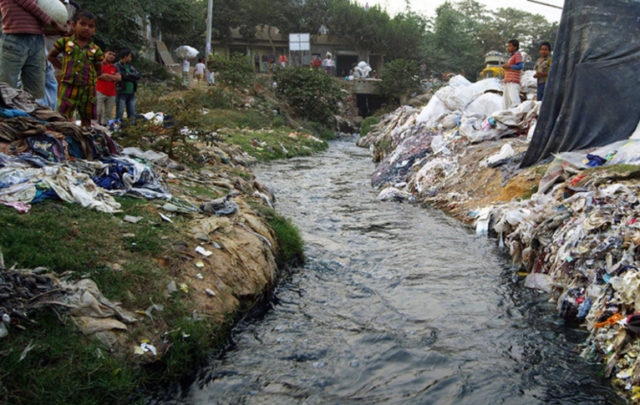
The Environmental and Human Cost of Making a Pair of Jeans
Americans do love their denim, so much so that the average consumer buys four pairs of jeans a year. In China’s Xintang province, a hub for denim, 300 million pairs are made annually. Just as staggering is the brew of toxic chemicals and hundreds of gallons of water it takes to dye and finish one pair of jeans.
March 14, 2018

