

Reporting intern Kate Petersen is a master’s student in the Graduate Program in Science Writing at the Massachusetts Institute of Technology.
'SELECT SQL_CALC_FOUND_ROWS wp_posts.ID
FROM wp_posts INNER JOIN wp_postmeta ON ( wp_posts.ID = wp_postmeta.post_id )
WHERE 1=1 AND (
wp_posts.ID NOT IN (
SELECT object_id
FROM wp_term_relationships
WHERE term_taxonomy_id IN (47485,47486)
)
) AND (
(
( wp_postmeta.meta_key = \'the_author\' AND wp_postmeta.meta_value = \'3484915\' )
OR
( wp_postmeta.meta_key = \'secondary_author\' AND wp_postmeta.meta_value LIKE \'{e04fc766b7f128efd970cb7b7e61259892ecd9279a83210d25c65c7471edb4a2}\\"3484915\\"{e04fc766b7f128efd970cb7b7e61259892ecd9279a83210d25c65c7471edb4a2}\' )
)
) AND wp_posts.post_type = \'post\' AND ((wp_posts.post_status = \'publish\'))
GROUP BY wp_posts.ID
ORDER BY wp_posts.post_date DESC
LIMIT 0, 6'
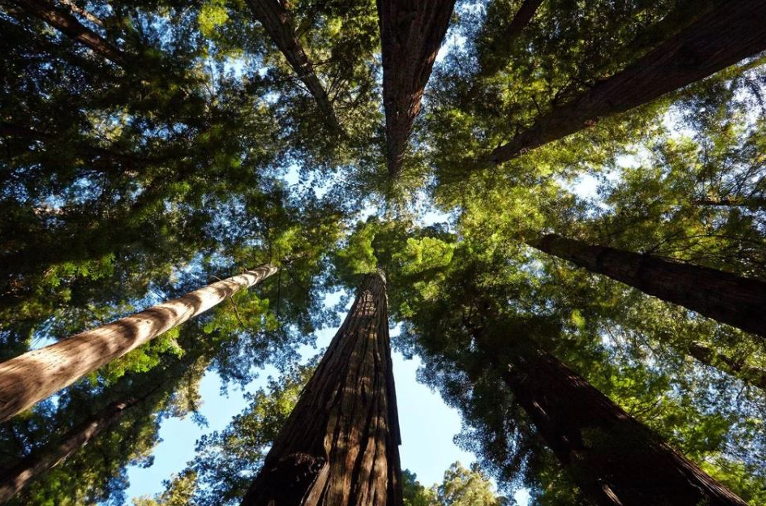
The push for standing forest protections in US climate policy
In 2019, Moomaw and his co-authors published a scientific review finding that the capacity of forested lands to sequester carbon dioxide could be increased significantly. They say the fastest way to do this is through what they call “proforestation,” the natural growth and development of standing forest ecosystems.
January 27, 2021

