

Associate Professor of Ecology and Environmental Studies, Sonoma State University
'SELECT SQL_CALC_FOUND_ROWS wp_posts.ID
FROM wp_posts INNER JOIN wp_postmeta ON ( wp_posts.ID = wp_postmeta.post_id )
WHERE 1=1 AND (
wp_posts.ID NOT IN (
SELECT object_id
FROM wp_term_relationships
WHERE term_taxonomy_id IN (47485,47486)
)
) AND (
(
( wp_postmeta.meta_key = \'the_author\' AND wp_postmeta.meta_value = \'3503530\' )
OR
( wp_postmeta.meta_key = \'secondary_author\' AND wp_postmeta.meta_value LIKE \'{30bf68e9c0d185b47df98b6d06a6f2ce7e8d31b81c34a3d3110ae0b5fcaae8b9}\\"3503530\\"{30bf68e9c0d185b47df98b6d06a6f2ce7e8d31b81c34a3d3110ae0b5fcaae8b9}\' )
)
) AND wp_posts.post_type = \'post\' AND ((wp_posts.post_status = \'publish\'))
GROUP BY wp_posts.ID
ORDER BY wp_posts.post_date DESC
LIMIT 0, 6'
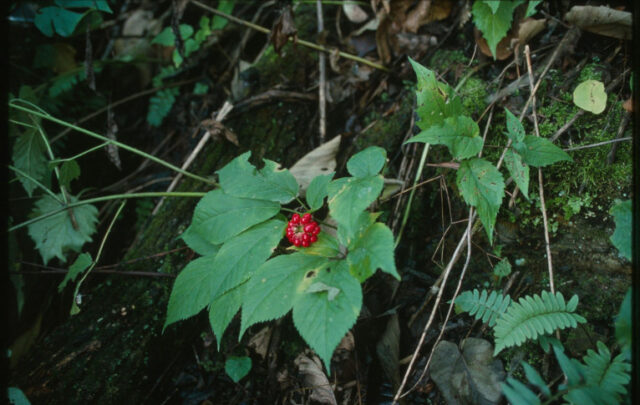
Wild ginseng is declining, but small-scale ‘diggers’ aren’t the main threat to this native plant − and they can help save it
Threats to ginseng across Appalachia are a legitimate concern, and curbing profligate overharvesting is important. But diggers helped facilitate the existence and persistence of ginseng populations, and they could be knowledgeable, skillful conservation allies.
September 17, 2024

