

Assistant Professor, SUNY Cortland, Foundations and Social Advocacy
'SELECT SQL_CALC_FOUND_ROWS wp_posts.ID
FROM wp_posts INNER JOIN wp_postmeta ON ( wp_posts.ID = wp_postmeta.post_id )
WHERE 1=1 AND (
wp_posts.ID NOT IN (
SELECT object_id
FROM wp_term_relationships
WHERE term_taxonomy_id IN (47485,47486)
)
) AND (
(
( wp_postmeta.meta_key = \'the_author\' AND wp_postmeta.meta_value = \'3491834\' )
OR
( wp_postmeta.meta_key = \'secondary_author\' AND wp_postmeta.meta_value LIKE \'%\\"3491834\\"%\' )
)
) AND wp_posts.post_type = \'post\' AND ((wp_posts.post_status = \'publish\'))
GROUP BY wp_posts.ID
ORDER BY wp_posts.post_date DESC
LIMIT 0, 6'
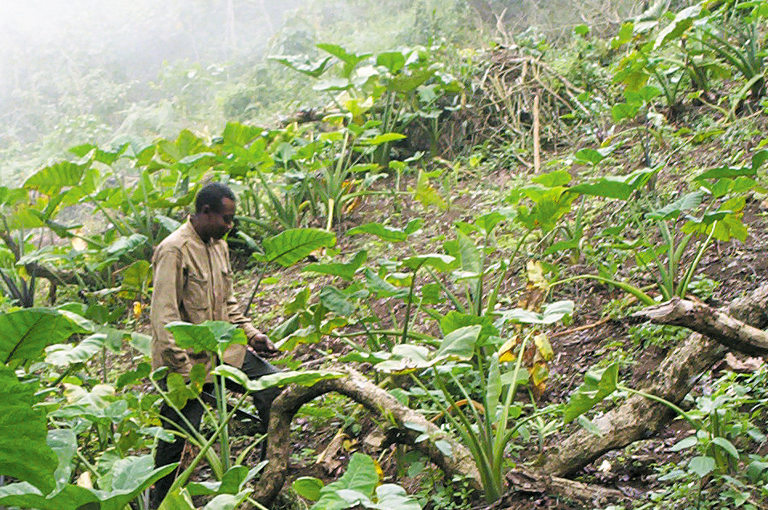
Why the UN must rely more on indigenous wisdom and less on fossil fuels
It is time for the United Nations and its various agencies to recognize that its top-down organizational structure is not suited to address our myriad ecological crises, and rather use its influence to advocate for, and allocate its resources to support, land custodianship for the millions of indigenous communities keeping alive the knowledge of how to live within the bounty of what our mother Earth provides.
May 23, 2022

