

'SELECT SQL_CALC_FOUND_ROWS wp_posts.ID
FROM wp_posts INNER JOIN wp_postmeta ON ( wp_posts.ID = wp_postmeta.post_id )
WHERE 1=1 AND (
wp_posts.ID NOT IN (
SELECT object_id
FROM wp_term_relationships
WHERE term_taxonomy_id IN (47485,47486)
)
) AND (
(
( wp_postmeta.meta_key = \'the_author\' AND wp_postmeta.meta_value = \'1151640\' )
OR
( wp_postmeta.meta_key = \'secondary_author\' AND wp_postmeta.meta_value LIKE \'{cd66a169be458ab7ef30e93628bb20c6eb859bdd1ff295bbc2e34752379596b3}\\"1151640\\"{cd66a169be458ab7ef30e93628bb20c6eb859bdd1ff295bbc2e34752379596b3}\' )
)
) AND wp_posts.post_type = \'post\' AND ((wp_posts.post_status = \'publish\'))
GROUP BY wp_posts.ID
ORDER BY wp_posts.post_date DESC
LIMIT 0, 6'
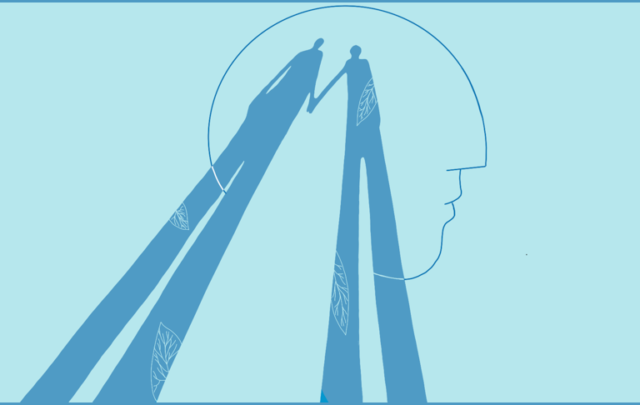
Common Ground: Securing a future for all who share our planet’s resources
We live in a fragmented landscape. This would matter a lot less if human populations were sparse and ecosystems across the globe were in a healthy state. However, the exact converse is the case today: human numbers have exceeded seven billion with the fastest rates of growth in developing and often already environmentally-stressed countries, and the UN’s authoritative Millennium Ecosystem Assessment provides solid evidence that virtually all major habitat types across the planet are substantially degraded with alarming implications for their continued capacity to support human well-being into the long-term future.
December 1, 2011

