

'SELECT SQL_CALC_FOUND_ROWS wp_posts.ID
FROM wp_posts INNER JOIN wp_postmeta ON ( wp_posts.ID = wp_postmeta.post_id )
WHERE 1=1 AND (
wp_posts.ID NOT IN (
SELECT object_id
FROM wp_term_relationships
WHERE term_taxonomy_id IN (47485,47486)
)
) AND (
(
( wp_postmeta.meta_key = \'the_author\' AND wp_postmeta.meta_value = \'1151211\' )
OR
( wp_postmeta.meta_key = \'secondary_author\' AND wp_postmeta.meta_value LIKE \'{f36de6f8c550769ca8b666fa544cc54cb98e0197f62281aaa8ff731c6f8aa952}\\"1151211\\"{f36de6f8c550769ca8b666fa544cc54cb98e0197f62281aaa8ff731c6f8aa952}\' )
)
) AND wp_posts.post_type = \'post\' AND ((wp_posts.post_status = \'publish\'))
GROUP BY wp_posts.ID
ORDER BY wp_posts.post_date DESC
LIMIT 0, 6'
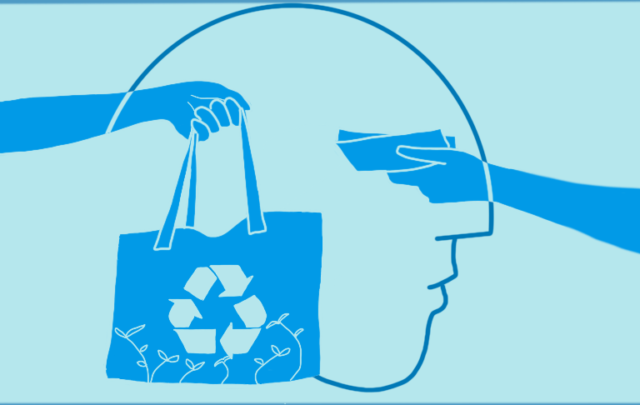
Sharing power: Building a solidarity economy
We all recognize that sharing is good. Sharing, lending, and borrowing help connect neighbors, encouraging isolated individuals to create community by consuming less. But most of the latest sharing projects focus on wealthy neighbors. What if I’ve never had too much? How do we address social inequity? How do we redistribute power to the majority who live without it? To transform an economic system which fails to meet community needs, we have to move from a sharing economy to a solidarity economy.
October 7, 2011

