

'SELECT SQL_CALC_FOUND_ROWS wp_posts.ID
FROM wp_posts INNER JOIN wp_postmeta ON ( wp_posts.ID = wp_postmeta.post_id )
WHERE 1=1 AND (
wp_posts.ID NOT IN (
SELECT object_id
FROM wp_term_relationships
WHERE term_taxonomy_id IN (47485,47486)
)
) AND (
(
( wp_postmeta.meta_key = \'the_author\' AND wp_postmeta.meta_value = \'1151107\' )
OR
( wp_postmeta.meta_key = \'secondary_author\' AND wp_postmeta.meta_value LIKE \'{45b3ed9e45429c46da4aeb0d140cd043906bdb6e1d26b9b40658bfb65046a882}\\"1151107\\"{45b3ed9e45429c46da4aeb0d140cd043906bdb6e1d26b9b40658bfb65046a882}\' )
)
) AND wp_posts.post_type = \'post\' AND ((wp_posts.post_status = \'publish\'))
GROUP BY wp_posts.ID
ORDER BY wp_posts.post_date DESC
LIMIT 0, 6'
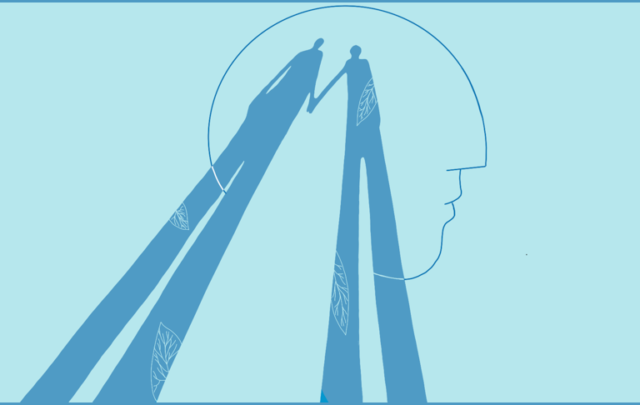
Water commons, water citizenship and water security
One of the wonders of the Earth is the pristine waters that give life to an astonishing diversity of ecosystems and human societies. Climate change has made it painfully clear that although ecological regions are distinct, natural systems and human societies are intimately intertwined. Deforestation for agricultural expansion in one eco-zone can alter monsoon events in another. We all have a stake – and ought to have a voice – in making decisions about transformations of nature, even if they occur a continent away.
May 6, 2012

