

Water resource scientist
'SELECT SQL_CALC_FOUND_ROWS wp_posts.ID
FROM wp_posts INNER JOIN wp_postmeta ON ( wp_posts.ID = wp_postmeta.post_id )
WHERE 1=1 AND (
wp_posts.ID NOT IN (
SELECT object_id
FROM wp_term_relationships
WHERE term_taxonomy_id IN (47485,47486)
)
) AND (
(
( wp_postmeta.meta_key = \'the_author\' AND wp_postmeta.meta_value = \'3468791\' )
OR
( wp_postmeta.meta_key = \'secondary_author\' AND wp_postmeta.meta_value LIKE \'{b2a21c23a202dd3974be8270bab4dd630f6c5ef3babaca900e78117508d84d07}\\"3468791\\"{b2a21c23a202dd3974be8270bab4dd630f6c5ef3babaca900e78117508d84d07}\' )
)
) AND wp_posts.post_type = \'post\' AND ((wp_posts.post_status = \'publish\'))
GROUP BY wp_posts.ID
ORDER BY wp_posts.post_date DESC
LIMIT 0, 6'
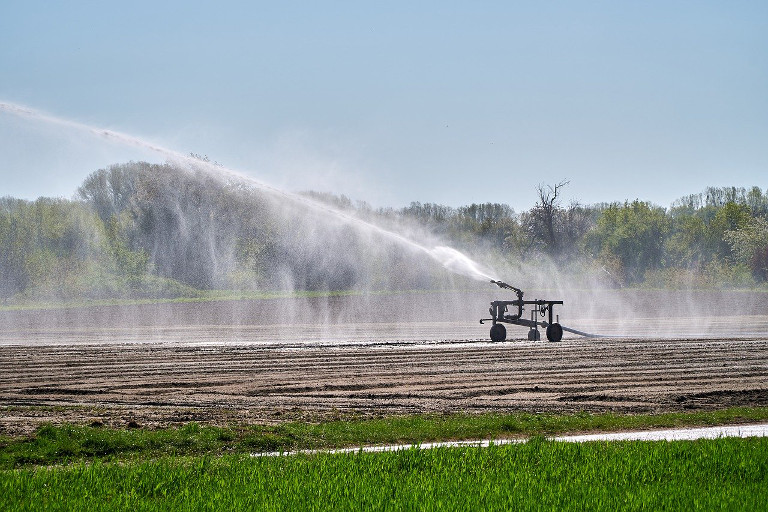
How to Help Solve Farmer-Environmentalist Conflicts: Talk, Don’t Point Fingers
In response to the discovery of nitrogen contamination, a group of city officials, staff from the local conservation district, farmers, members of the agribusiness community, concerned citizens and the Minnesota Department of Agriculture decided to go beyond finger pointing. Instead, they held a series of meetings in the early 2000s that focused on both securing clean drinking water and ensuring a strong agricultural economy, and that were rooted in the context of local conditions.
October 12, 2017

