

'SELECT SQL_CALC_FOUND_ROWS wp_posts.ID
FROM wp_posts INNER JOIN wp_postmeta ON ( wp_posts.ID = wp_postmeta.post_id )
WHERE 1=1 AND (
wp_posts.ID NOT IN (
SELECT object_id
FROM wp_term_relationships
WHERE term_taxonomy_id IN (47485,47486)
)
) AND (
(
( wp_postmeta.meta_key = \'the_author\' AND wp_postmeta.meta_value = \'1151032\' )
OR
( wp_postmeta.meta_key = \'secondary_author\' AND wp_postmeta.meta_value LIKE \'{b4add7a982a20128a0d16714c71f0b59db9532a38e26ce1d40d5beb77f0b7f46}\\"1151032\\"{b4add7a982a20128a0d16714c71f0b59db9532a38e26ce1d40d5beb77f0b7f46}\' )
)
) AND wp_posts.post_type = \'post\' AND ((wp_posts.post_status = \'publish\'))
GROUP BY wp_posts.ID
ORDER BY wp_posts.post_date DESC
LIMIT 0, 6'
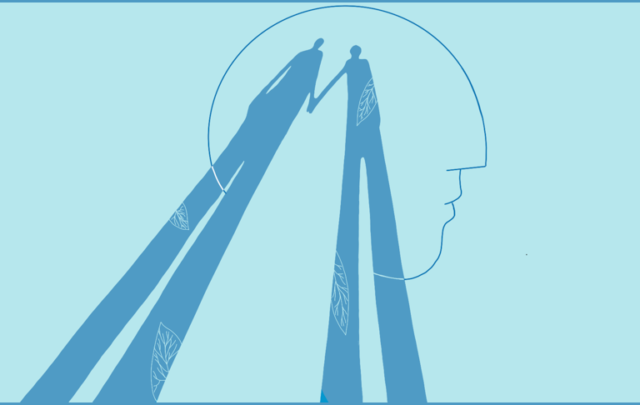
Introducing the Democracy Manifesto and a global conversation
There is no ‘finished product democracy’. How should democracy or self-rule be explained and evaluated today? It requires respect for the democracy of knowledge. A global conversation held at three international meetings, involving academics, civil society and social movement activists from Asia, Africa, Europe, Latin America and North America, has issued in a Democracy Manifesto for our fast-moving times. We publish initial responses from participants each day this week to continue this conversation in the public domain.
May 13, 2011

