

Assistant Professor of Archaeology, Vanderbilt University
'SELECT SQL_CALC_FOUND_ROWS wp_posts.ID
FROM wp_posts INNER JOIN wp_postmeta ON ( wp_posts.ID = wp_postmeta.post_id )
WHERE 1=1 AND (
wp_posts.ID NOT IN (
SELECT object_id
FROM wp_term_relationships
WHERE term_taxonomy_id IN (47485,47486)
)
) AND (
(
( wp_postmeta.meta_key = \'the_author\' AND wp_postmeta.meta_value = \'3511977\' )
OR
( wp_postmeta.meta_key = \'secondary_author\' AND wp_postmeta.meta_value LIKE \'{7fd45911a9c05343c6a94ec6f6cb5067ac5715335aa9270b56bc92d66b71cbf3}\\"3511977\\"{7fd45911a9c05343c6a94ec6f6cb5067ac5715335aa9270b56bc92d66b71cbf3}\' )
)
) AND wp_posts.post_type = \'post\' AND ((wp_posts.post_status = \'publish\'))
GROUP BY wp_posts.ID
ORDER BY wp_posts.post_date DESC
LIMIT 0, 6'
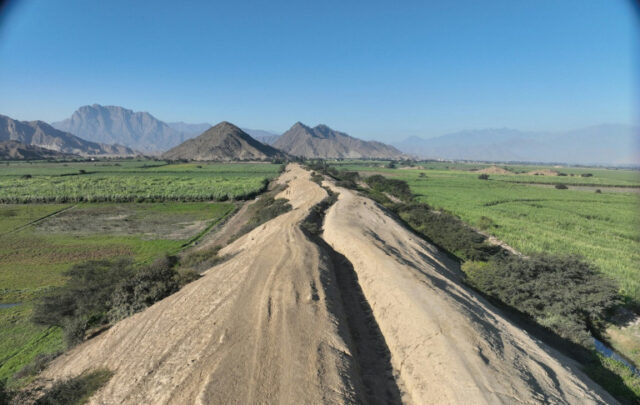
Peru’s ancient irrigation systems succeeded in turning deserts into farms because of the culture − without it, the systems failed
Archaeologists have an important role to play in building a climate-resilient future, but any meaningful progress would benefit from a historical approach that considers multiple ways of understanding the environment, of operating an irrigation canal and of organizing an agriculture-based economy.
April 9, 2025

