

Freelance science journalist
'SELECT SQL_CALC_FOUND_ROWS wp_posts.ID
FROM wp_posts INNER JOIN wp_postmeta ON ( wp_posts.ID = wp_postmeta.post_id )
WHERE 1=1 AND (
wp_posts.ID NOT IN (
SELECT object_id
FROM wp_term_relationships
WHERE term_taxonomy_id IN (47485,47486)
)
) AND (
(
( wp_postmeta.meta_key = \'the_author\' AND wp_postmeta.meta_value = \'3486129\' )
OR
( wp_postmeta.meta_key = \'secondary_author\' AND wp_postmeta.meta_value LIKE \'{ca660710a045b749932a131431c66e107c06df9684f8064eb3b1f52214ec6028}\\"3486129\\"{ca660710a045b749932a131431c66e107c06df9684f8064eb3b1f52214ec6028}\' )
)
) AND wp_posts.post_type = \'post\' AND ((wp_posts.post_status = \'publish\'))
GROUP BY wp_posts.ID
ORDER BY wp_posts.post_date DESC
LIMIT 0, 6'
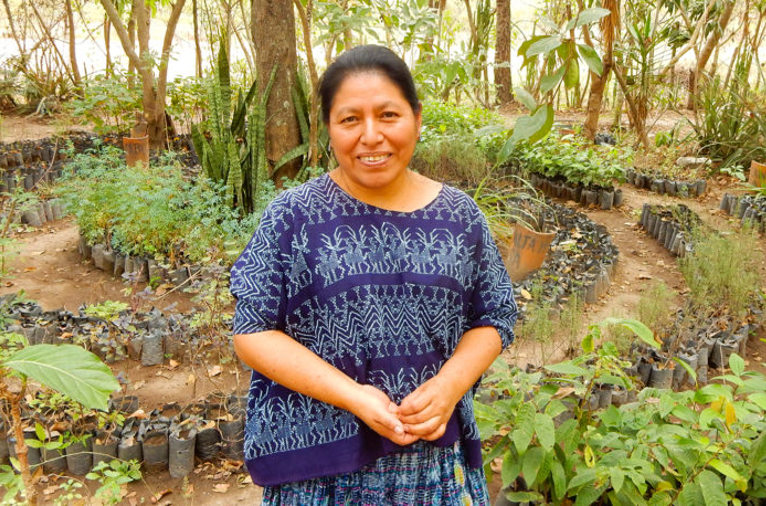
Around the world, Indigenous seed banks are helping to preserve culture, boost nutrition and protect the environment
From Guatemala to Oklahoma, communities are tackling multiple challenges by saving seeds of traditional agricultural crops.
March 29, 2021

