

Casual Academic, School of Social Sciences & Psychology, Western Sydney University
'SELECT SQL_CALC_FOUND_ROWS wp_posts.ID
FROM wp_posts INNER JOIN wp_postmeta ON ( wp_posts.ID = wp_postmeta.post_id )
WHERE 1=1 AND (
wp_posts.ID NOT IN (
SELECT object_id
FROM wp_term_relationships
WHERE term_taxonomy_id IN (47485,47486)
)
) AND (
(
( wp_postmeta.meta_key = \'the_author\' AND wp_postmeta.meta_value = \'3478256\' )
OR
( wp_postmeta.meta_key = \'secondary_author\' AND wp_postmeta.meta_value LIKE \'{34fe23715d5e8ae35ae8619cd04aee9c2bb9b7fe09dc0309e697b0e61b0e1a3d}\\"3478256\\"{34fe23715d5e8ae35ae8619cd04aee9c2bb9b7fe09dc0309e697b0e61b0e1a3d}\' )
)
) AND wp_posts.post_type = \'post\' AND ((wp_posts.post_status = \'publish\'))
GROUP BY wp_posts.ID
ORDER BY wp_posts.post_date DESC
LIMIT 0, 6'
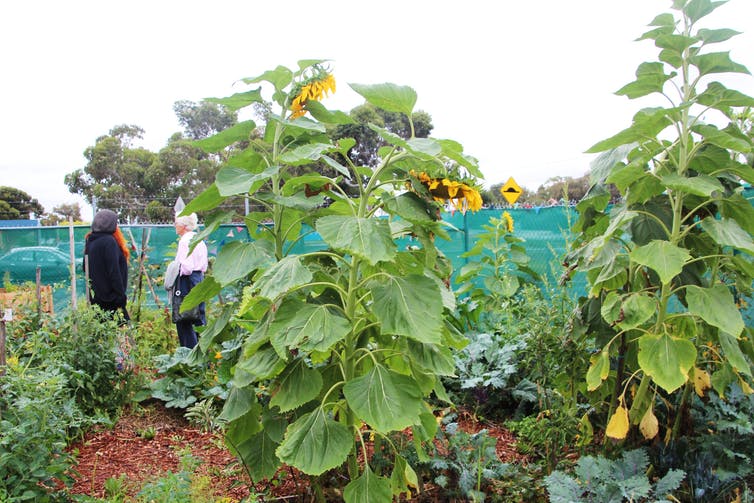
Access to Land is a Barrier to Simpler, Sustainable Living. Public Housing could Offer a Way Forward
There is a very powerful reason we are currently unable to move toward a simpler and sustainable society: the costs of securing access to land for housing often mean only the relatively affluent can afford such “green lifestyles”.
In response to this problem, we offer some ideas to show how public land could be used for sustainable forms of community-led development.
August 22, 2019

