

'SELECT SQL_CALC_FOUND_ROWS wp_posts.ID
FROM wp_posts INNER JOIN wp_postmeta ON ( wp_posts.ID = wp_postmeta.post_id )
WHERE 1=1 AND (
wp_posts.ID NOT IN (
SELECT object_id
FROM wp_term_relationships
WHERE term_taxonomy_id IN (47485,47486)
)
) AND (
(
( wp_postmeta.meta_key = \'the_author\' AND wp_postmeta.meta_value = \'3467584\' )
OR
( wp_postmeta.meta_key = \'secondary_author\' AND wp_postmeta.meta_value LIKE \'{7b0f265c432397b65ee82abc66f5ee6a3e11c6a63769bff0e1ff5c9c82683a4d}\\"3467584\\"{7b0f265c432397b65ee82abc66f5ee6a3e11c6a63769bff0e1ff5c9c82683a4d}\' )
)
) AND wp_posts.post_type = \'post\' AND ((wp_posts.post_status = \'publish\'))
GROUP BY wp_posts.ID
ORDER BY wp_posts.post_date DESC
LIMIT 0, 6'
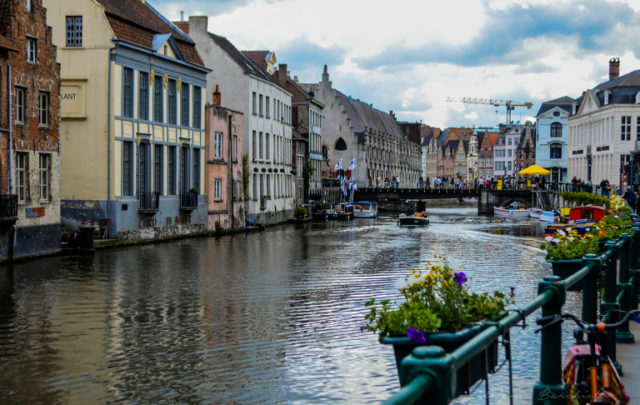
A Visit to an Urban Commons in Ghent: the NEST Experiment
The NEST experiment in Ghent confirms the relevance of digital commons for the urban commons. It illustrates that the key sequence is from practice to theory, not the other way around. It shows how creative spaces can be found between actors with views which are often claimed to be contradictory (non-profit versus private sector, commons versus authorities).
July 21, 2017

