

'SELECT SQL_CALC_FOUND_ROWS wp_posts.ID
FROM wp_posts INNER JOIN wp_postmeta ON ( wp_posts.ID = wp_postmeta.post_id )
WHERE 1=1 AND (
wp_posts.ID NOT IN (
SELECT object_id
FROM wp_term_relationships
WHERE term_taxonomy_id IN (47485,47486)
)
) AND (
(
( wp_postmeta.meta_key = \'the_author\' AND wp_postmeta.meta_value = \'1150715\' )
OR
( wp_postmeta.meta_key = \'secondary_author\' AND wp_postmeta.meta_value LIKE \'{3882110fe171006277c1b278ec16ed5f548f6cf4883701248ae5697a0dc57104}\\"1150715\\"{3882110fe171006277c1b278ec16ed5f548f6cf4883701248ae5697a0dc57104}\' )
)
) AND wp_posts.post_type = \'post\' AND ((wp_posts.post_status = \'publish\'))
GROUP BY wp_posts.ID
ORDER BY wp_posts.post_date DESC
LIMIT 0, 6'
Building a civil economy
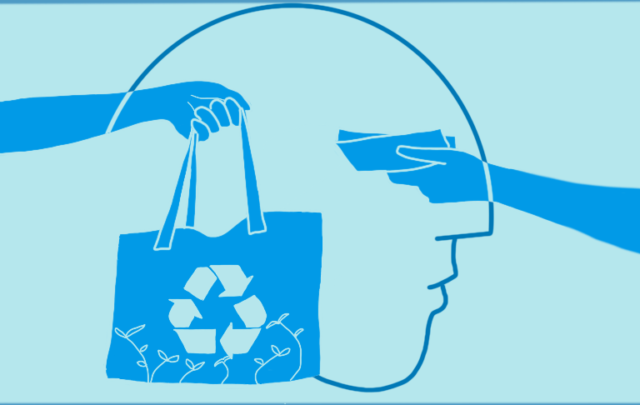
Modern economics assumes that human beings are fundamentally self-interested. This essay will challenge that assumption, drawing in part on the ideas of Karl Polanyi, Marcel Mauss, Luigino Bruni and Stefano Zamagni. By contrast with the idea of the self-interested homo oeconomicus (central to Adam Smith’s Wealth of Nations), my argument is that humans are more relational, ‘gift-exchanging animals’ who are naturally disposed to cooperate for mutual benefit. In the following I will attempt to show how such an alternative anthropology can translate into a ‘civil economy’ and transformative policy ideas: rebuilding our economy and embedding welfare in communities.
July 24, 2012

