

FCRN member and senior researcher at FiBL (Research Institute of Organic Agriculture) and ETH Zurich, Switzerland
'SELECT SQL_CALC_FOUND_ROWS wp_posts.ID
FROM wp_posts INNER JOIN wp_postmeta ON ( wp_posts.ID = wp_postmeta.post_id )
WHERE 1=1 AND (
wp_posts.ID NOT IN (
SELECT object_id
FROM wp_term_relationships
WHERE term_taxonomy_id IN (47485,47486)
)
) AND (
(
( wp_postmeta.meta_key = \'the_author\' AND wp_postmeta.meta_value = \'3469437\' )
OR
( wp_postmeta.meta_key = \'secondary_author\' AND wp_postmeta.meta_value LIKE \'{87fa252be3646a9b2017f4aa7d300a450431dc23b7ac9eac16ff0a08c03a6bb0}\\"3469437\\"{87fa252be3646a9b2017f4aa7d300a450431dc23b7ac9eac16ff0a08c03a6bb0}\' )
)
) AND wp_posts.post_type = \'post\' AND ((wp_posts.post_status = \'publish\'))
GROUP BY wp_posts.ID
ORDER BY wp_posts.post_date DESC
LIMIT 0, 6'
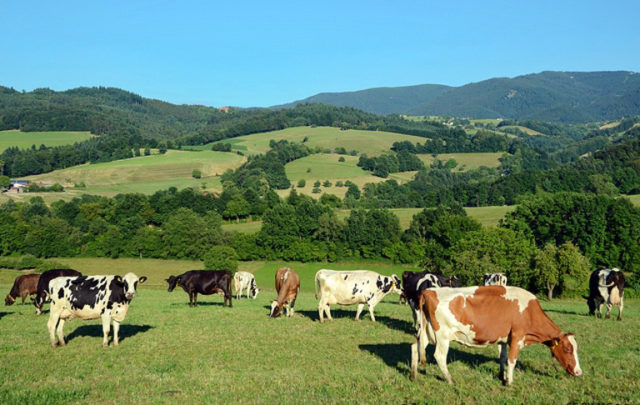
Organic Agriculture for 10 Billion People
Organic agriculture can feed the world. The only question thereby being what “feeding the world” may mean. Today, it basically means high shares of animal products in diets and that a third of production is wasted. Projections for 2050 look similar. Does this make sense? No. And this is the entry point for organic agriculture to play a role in sustainable food systems and for contributing to food security.
November 27, 2017

