

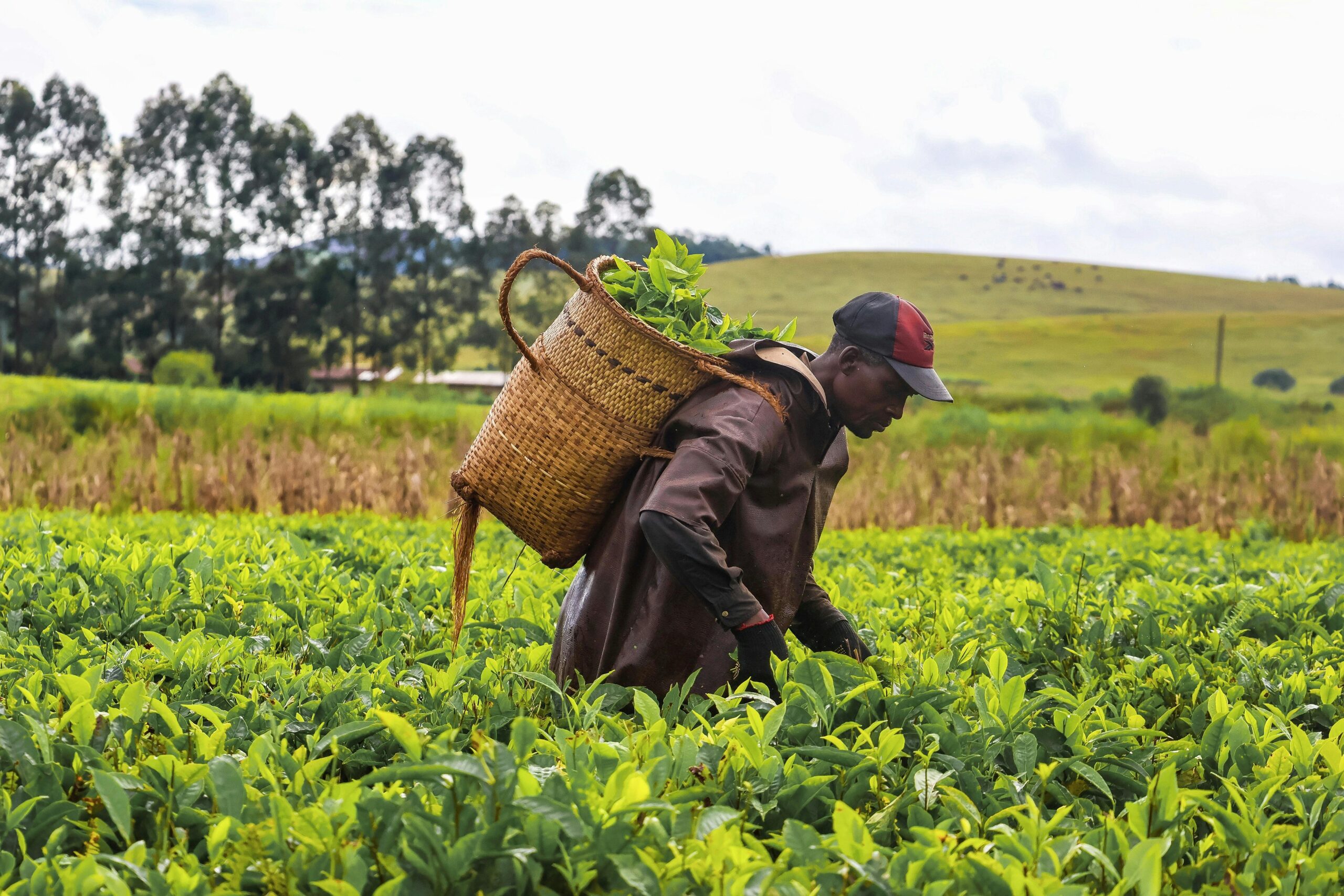
The US and Israel’s attack on Iran has led to significant price increases on fuel. Oil and gas capture the headlines. But fertilizer prices could also skyrocket, especially in low-income countries. This is what happened when Russia invaded Ukraine.
In African countries, dependency on imported fertilizers underlines the need for a new approach to food production and distribution. That new approach is often called food sovereignty. In the past, civil society groups and international development organizations have focused on food security, ensuring people have enough to eat. This remains a central goal. Food sovereignty takes it further and focuses on who controls food production and distribution, and how it is organized.
In practice, this means seeking alternatives to industrial agriculture techniques—often called the “green revolution”—that governments and international organizations have promoted to achieve food security. While these methods have increased output and productivity, especially in commodities, they rely on consolidated landholdings, mechanization, increased chemical inputs and a shift toward ultra-processed foods. Driven by foreign interests, such consolidation increases African communities’ dependence on external actors.
Hundreds of civil society groups in Africa now urge foundations and governments to shift funding from green revolution initiatives to investments that help family farmers increase healthy food production for local needs, adopt sustainable techniques and develop local processing to add value and capture profits—all central to regenerative agriculture.
Regenerative agriculture is gaining ground among family farmers in the US as well. In December, the US Department of Agriculture launched a $700 million Regenerative Agriculture Pilot Program. While some environmental groups question the program’s intent, it does indicate that the concept has broader awareness among American farmers.
Similarly, awareness of regenerative agriculture is growing among family farmers in Africa, including in Kenya’s Kisumu region. Farmers there refer to regenerative agriculture’s cover crops as green manure. These include gliricidia sepium, piliostigma reticulatum, calliandra, canavalia ensiformis, and different types of legumes.
Green manure has many benefits for producers, consumers, and the environment, and it returns control over key inputs to family farmers. A war in the Middle East does not affect the price of cover crops used to fertilize fields and build soil health, or their ability to absorb and hold water. Nearly as important, green manure is effectively free. It lowers costs and increases profits.
The use of green manure has proven effective in raising yields, reducing costs and increasing profits and incomes in Kisumu. Local partners of World Neighbors, where I serve as CEO and President, have also achieved early positive results with farmers in the Gnagna Province of Burkina Faso and the Tominian Cercle in Mali. In the Sahel region, the role of green manure in helping soil retain moisture is especially desirable.
Our local partners also work with family farmers to start and run community-controlled poultry and other processing plants. Building a meat processing plant requires capital. The way to ensure that capital aligns with sovereignty goals is for communities to generate it themselves. This is where savings and credit groups come in. These groups, increasingly popular in low-income countries, pool savings and lend them to members at very low interest rates. Loans are invested in individual farm innovations or in community needs, such as poultry processing plants, and a portion of the increased profits is reinvested in the savings and credit group. Along with regular monthly contributions, this can lead to significant capital pools controlled by communities and used to meet community needs.
In Kenya, for instance, savings and credit groups amassed enough capital to form a cooperative bank.
Climate change, the breakdown of the post–Second World War global order, social media and AI, and the unprecedented shift in some countries from widespread hunger to widespread obesity are among the profound changes forcing us to rethink how we live, work and relate to one another. Producing, distributing and consuming food can mean rediscovering practices that predate the industrialization of food production, processing and consumption in the US. Green manure is one such practice.
In Africa—and elsewhere—this new-old innovation is helping communities regain control of their development. Foundations, governments and international organizations should listen to communities and invest in their priorities. This is a step toward a just, more resilient world.


Comments
Welcome to the new Resillience commenting system!
We have moved from the former Disqus commenting system to a new system as of September 10, 2026.
We made this change because of privacy concerns regarding Disqus. It's also part of a set of changes to bring more services to the Resilience community under a single login: commenting, (coming September 2026), and online courses (coming 2027). Unfortunately, your old Disqus comments may not reliably link to your account in this new system. Please contact us if you have any questions or concerns.