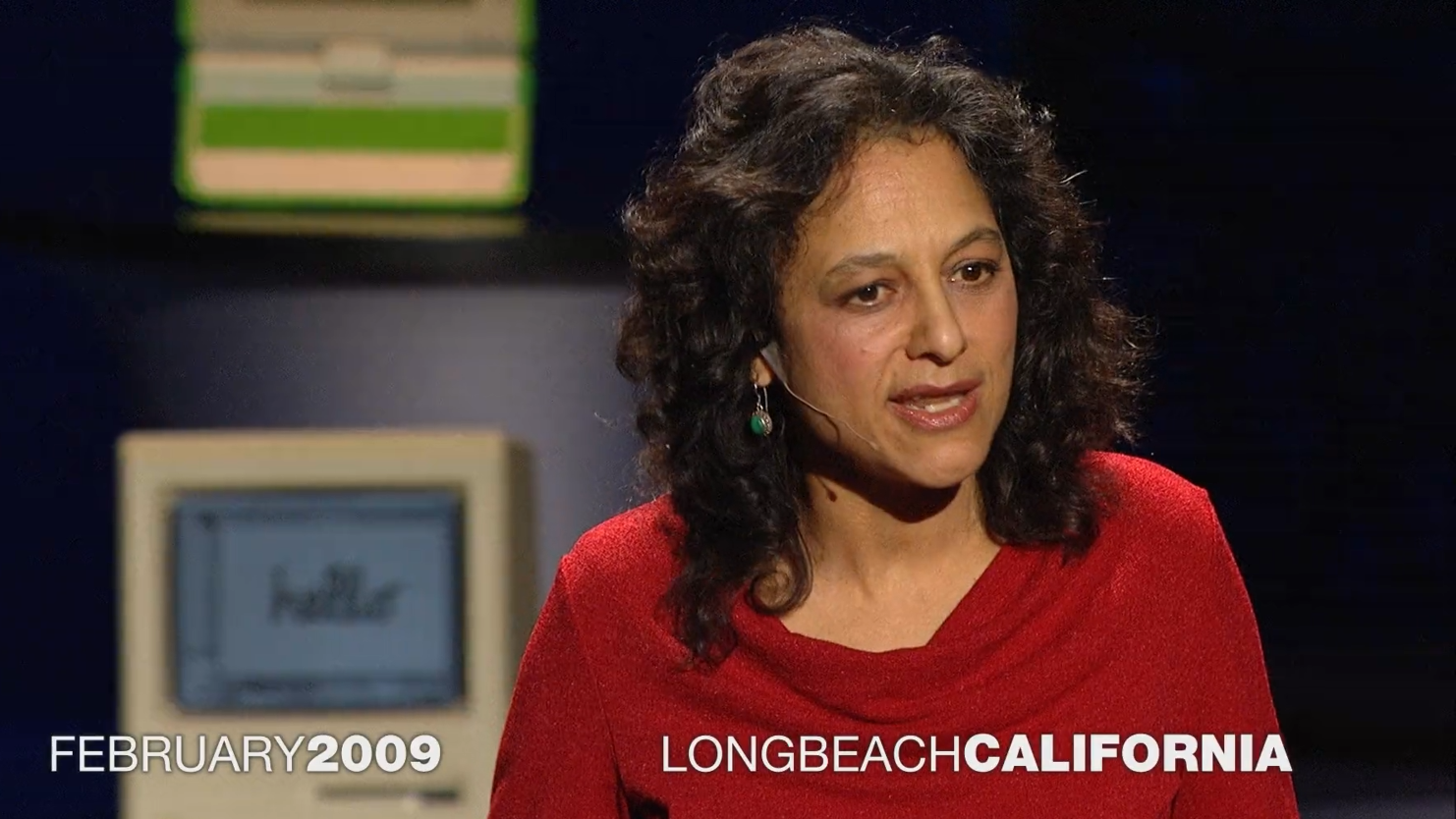
A unique ecosystem of plants, birds and monkeys thrives in the treetops of the rainforest. Nalini Nadkarni explores these canopy worlds — and shares her findings with the world below, through dance, art and bold partnerships.
Dr. Nalini Nadkarni is a forest ecologist and Professor Emeritus in the Department of Biology at the University of Utah. Since 1984, she has carried out research on the biota that live in rainforest canopies, supported by the National Science Foundation and the National Geographic Society. She has written 150 scientific papers and three scholarly books. In 2024, she became a Senior Fellow in Residence at the Sorenson Impact Institute to engage sustainable support for programs with positive environmental impacts. She also interweaves her rainforest research with innovative public engagement. She engages those who do not or cannot gain access to science education with the diverse values of trees to broaden awareness for forest conservation around the world. Her programs include faith-based groups, artists, corporations, and people who are incarcerated in state prisons, county jails, and juvenile detention centers.
Related Articles
'SELECT SQL_CALC_FOUND_ROWS wp_posts.ID
FROM wp_posts LEFT JOIN wp_term_relationships ON (wp_posts.ID = wp_term_relationships.object_id)
WHERE 1=1 AND wp_posts.ID NOT IN (4029632) AND (
wp_term_relationships.term_taxonomy_id IN (3,5,47486,47539)
) AND wp_posts.post_type = \'post\' AND ((wp_posts.post_status = \'publish\'))
GROUP BY wp_posts.ID
ORDER BY wp_posts.post_date DESC
LIMIT 0, 3'
The veneration of solar has taken up the oxygen in the climate conversation. While we have a modest array ourselves, I’m worried solar has been presented to the climate-worried public as a panacea, as if a wholesale switch to solar would stabilize the climate.
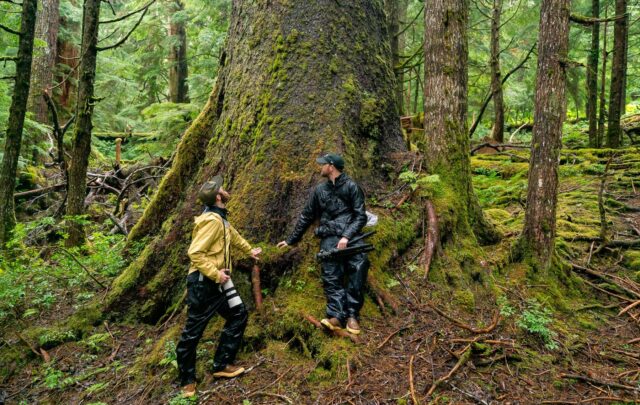
It’s referred to as Unit 346 in the Twin Mountain II timber sale. On the ground, it’s some of the most spectacular old-growth we’ve ever witnessed, and it’s marked for clearcutting.
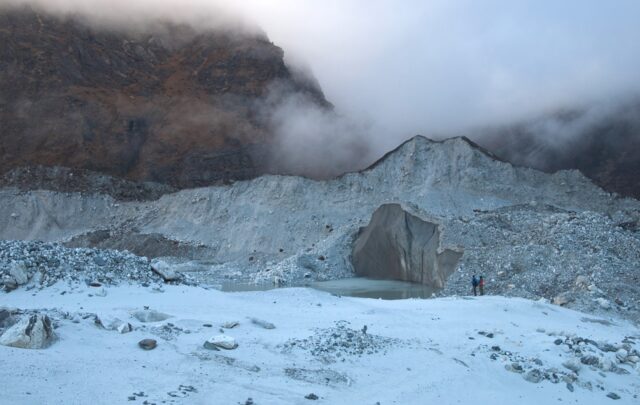
The catastrophic flood that killed hundreds of people in Nepal in August shows the ways rising temperatures, thawing permafrost and melting ice are increasing the risk of destructive floods in the Himalayas and other regions around the world.
September 17, 2026
Comments
Welcome to the new Resillience commenting system!
We have moved from the former Disqus commenting system to a new system as of September 10, 2026.
Your past comments have not disappeared.
You can log in with your old Disqus credentials, as well as Gmail credentials or a Resilience account (formerly Resilience+). Login with Facebook and other credentials is coming soon.
We made this change because of privacy concerns regarding Disqus. It's also part of a set of changes to bring more services to the Resilience community under a single login: commenting, (coming September 2026), and online courses (coming 2027). Unfortunately, your old Disqus comments may not reliably link to your account in this new system. Please contact us if you have any questions or concerns.




Comments
Welcome to the new Resillience commenting system!
We have moved from the former Disqus commenting system to a new system as of September 10, 2026.
We made this change because of privacy concerns regarding Disqus. It's also part of a set of changes to bring more services to the Resilience community under a single login: commenting, (coming September 2026), and online courses (coming 2027). Unfortunately, your old Disqus comments may not reliably link to your account in this new system. Please contact us if you have any questions or concerns.