Over recent decades, many water-stressed countries have invested heavily in supply-oriented infrastructure, including dams, water transfers, groundwater extraction, and desalination. These systems remain essential components of short- and medium-term water security.
Yet accelerating climate variability, widespread land degradation, and rising energy costs increasingly expose the limits of a strategy focused primarily on water mobilization. Improving long-term water resilience now requires a complementary approach: restoring hydrological function at the landscape scale.
From supply expansion to functional systems
Hydrological and soil sciences consistently demonstrate that effective water availability depends not only on engineered supply, but on the condition of soils, vegetation, and land management systems.
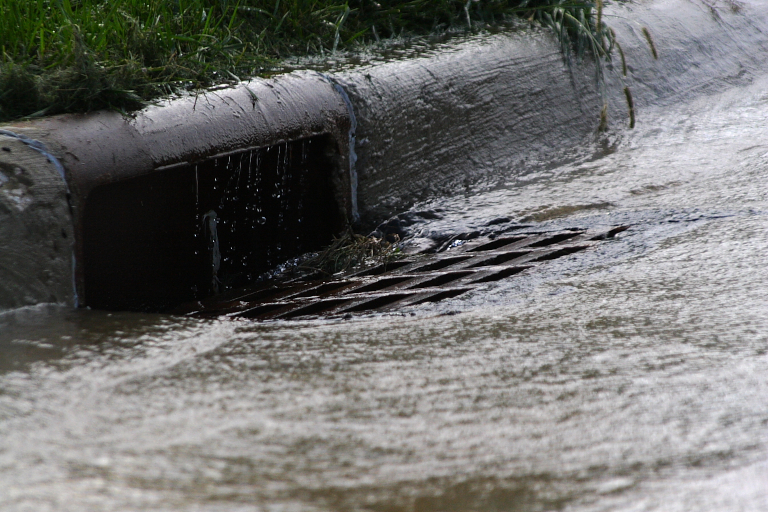
Degraded landscapes increase runoff, erosion, flood intensity, and groundwater depletion. Functional landscapes, by contrast, enhance infiltration, moderate hydrological extremes, and stabilize water availability over time. In this sense, soils and vegetation operate as critical natural infrastructure.
Integrating hydrological cycle restoration into water strategies is therefore not an alternative to existing infrastructure, but a systems-level optimization that improves its performance and durability.
Restoration as a cross-sectoral accelerator
Landscape rehydration generates measurable benefits across multiple domains:
- increased soil moisture and agricultural productivity with lower irrigation demand;
- reduced exposure to floods, erosion, and land degradation;
- decreased energy intensity of water supply systems;
- strengthened rural livelihoods and landscape-based economies.
In water-stressed environments, these outcomes are foundational to long-term resilience rather than ancillary environmental gains.
Implementation through place-based restoration
Hydrological restoration does not depend on complex technologies or large-scale imports. It relies on well-established principles: slowing water movement, spreading flows, enhancing infiltration, and rebuilding soil structure.
Many of these practices draw on long-standing land stewardship traditions, particularly in dryland and semi-arid regions, including contouring, micro-catchments, water harvesting, and slope rehabilitation.
Effective implementation is best achieved through watershed-scale pilot initiatives, supported by adaptive management, continuous monitoring, and iterative learning.
The enabling role of institutions
Public institutions play a critical enabling role by:
- embedding hydrological restoration objectives into water, agriculture, and land-use frameworks;
- providing legal and financial stability for long-term restoration initiatives;
- facilitating coordination among researchers, practitioners, and local land managers;
- capturing and disseminating lessons learned to support scaling and replication.
This approach strengthens coherence across sectors while improving long-term returns on both ecological and financial investments.
Conclusion
Water resilience in the twenty-first century will depend as much on restoring living landscapes as on expanding supply systems.
By rebuilding functional hydrological cycles, societies can enhance the effectiveness of existing infrastructure, reduce vulnerability to climatic extremes, and regenerate the ecological foundations upon which water security ultimately depends.