

Executive Director, Museum of Natural and Cultural History, University of Oregon
'SELECT SQL_CALC_FOUND_ROWS wp_posts.ID
FROM wp_posts INNER JOIN wp_postmeta ON ( wp_posts.ID = wp_postmeta.post_id )
WHERE 1=1 AND (
wp_posts.ID NOT IN (
SELECT object_id
FROM wp_term_relationships
WHERE term_taxonomy_id IN (47485,47486)
)
) AND (
(
( wp_postmeta.meta_key = \'the_author\' AND wp_postmeta.meta_value = \'3501468\' )
OR
( wp_postmeta.meta_key = \'secondary_author\' AND wp_postmeta.meta_value LIKE \'{ce562fed744cee9e1c8a4a24a98f7d17e8c694cbcb048ee14529a6991c34bf62}\\"3501468\\"{ce562fed744cee9e1c8a4a24a98f7d17e8c694cbcb048ee14529a6991c34bf62}\' )
)
) AND wp_posts.post_type = \'post\' AND ((wp_posts.post_status = \'publish\'))
GROUP BY wp_posts.ID
ORDER BY wp_posts.post_date DESC
LIMIT 0, 6'
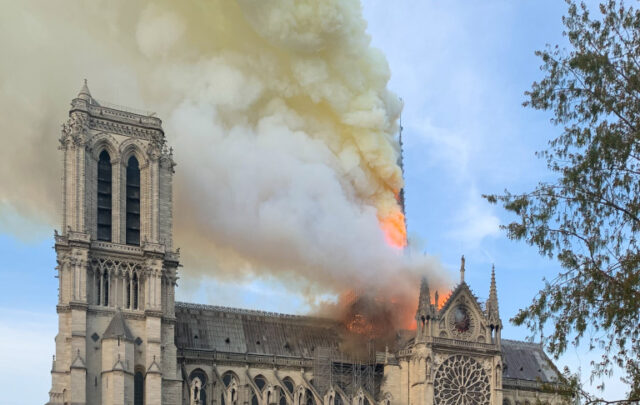
Humans have been altering nature for thousands of years – to shape a sustainable future, it’s important to understand that deep history
Humans can slow and, perhaps, reverse the ecological harms that they have caused, but Earth will never return to some past pristine state. Nonetheless, I believe that history can help humans save Earth’s remaining wild, natural places that, along with cultural icons like Notre Dame, tell the stories of who we are.
May 28, 2024

