

'SELECT SQL_CALC_FOUND_ROWS wp_posts.ID
FROM wp_posts INNER JOIN wp_postmeta ON ( wp_posts.ID = wp_postmeta.post_id )
WHERE 1=1 AND (
wp_posts.ID NOT IN (
SELECT object_id
FROM wp_term_relationships
WHERE term_taxonomy_id IN (47485,47486)
)
) AND (
(
( wp_postmeta.meta_key = \'the_author\' AND wp_postmeta.meta_value = \'3484663\' )
OR
( wp_postmeta.meta_key = \'secondary_author\' AND wp_postmeta.meta_value LIKE \'{2320cdd05196ca94b5f9b535e41b165a5bd095ce41a9fffc807e59c81f5aad9a}\\"3484663\\"{2320cdd05196ca94b5f9b535e41b165a5bd095ce41a9fffc807e59c81f5aad9a}\' )
)
) AND wp_posts.post_type = \'post\' AND ((wp_posts.post_status = \'publish\'))
GROUP BY wp_posts.ID
ORDER BY wp_posts.post_date DESC
LIMIT 0, 6'
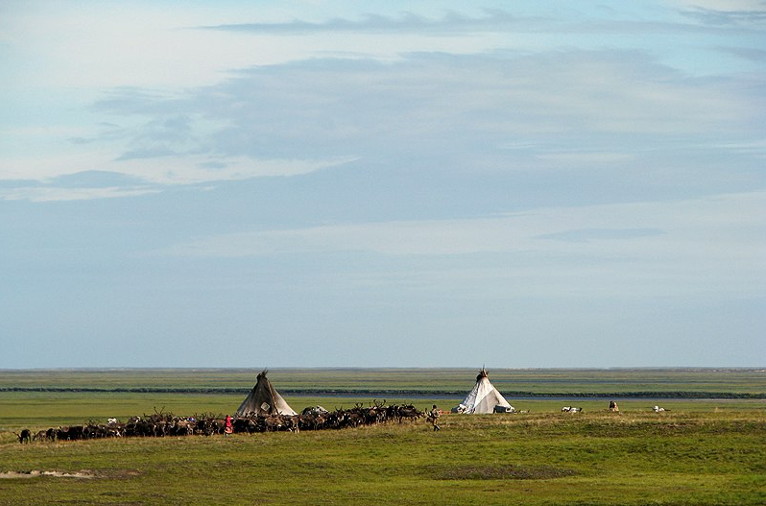
An Open Letter to the Lead Authors of ‘Protecting 30% of the Planet for Nature: Costs, Benefits and Implications.’
We believe that a world with more protected areas could be a much better place. But that hinges on the types of protected areas that are promoted and the means by which they are sustained.
January 12, 2021

