

Dr Jiang Lin, Nat Simons presidential chair in China energy policy at the Lawrence Berkeley National Lab.
'SELECT SQL_CALC_FOUND_ROWS wp_posts.ID
FROM wp_posts INNER JOIN wp_postmeta ON ( wp_posts.ID = wp_postmeta.post_id )
WHERE 1=1 AND (
wp_posts.ID NOT IN (
SELECT object_id
FROM wp_term_relationships
WHERE term_taxonomy_id IN (47485,47486)
)
) AND (
(
( wp_postmeta.meta_key = \'the_author\' AND wp_postmeta.meta_value = \'3481742\' )
OR
( wp_postmeta.meta_key = \'secondary_author\' AND wp_postmeta.meta_value LIKE \'{17078ac0393e4d1daf2bad30e7d249c66ffc2f10d7a30a66e6fd95dd4d07783b}\\"3481742\\"{17078ac0393e4d1daf2bad30e7d249c66ffc2f10d7a30a66e6fd95dd4d07783b}\' )
)
) AND wp_posts.post_type = \'post\' AND ((wp_posts.post_status = \'publish\'))
GROUP BY wp_posts.ID
ORDER BY wp_posts.post_date DESC
LIMIT 0, 6'
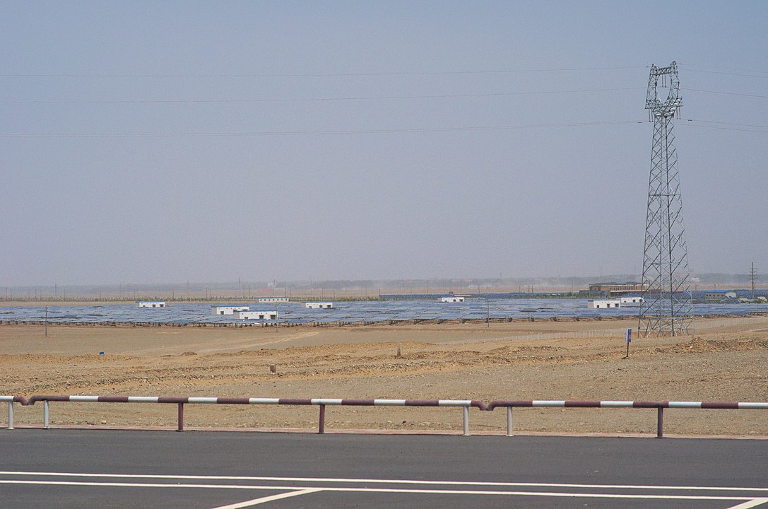
China’s Power Sector Could be ‘10% Cheaper in 2030’ with More Renewables
We found that if China uses the most cost-effective renewable energy resources, it could generate more than 60% of its electricity from “non-fossil” sources by 2030 – including wind, solar, hydro and nuclear – at a cost that is around 10% lower than under business-as-usual.
June 11, 2020

