

Katelyn Friesen is currently a master’s student at the University of Manitoba. She is working on her thesis entitled ‘Environmental Justice and Human Health: A Sociological Case Study of the Alberta Tar Sands.’ Her research interests include environmental sociology, environmental justice, and the sociology of health.
'SELECT SQL_CALC_FOUND_ROWS wp_posts.ID
FROM wp_posts INNER JOIN wp_postmeta ON ( wp_posts.ID = wp_postmeta.post_id )
WHERE 1=1 AND (
wp_posts.ID NOT IN (
SELECT object_id
FROM wp_term_relationships
WHERE term_taxonomy_id IN (47485,47486)
)
) AND (
(
( wp_postmeta.meta_key = \'the_author\' AND wp_postmeta.meta_value = \'3475773\' )
OR
( wp_postmeta.meta_key = \'secondary_author\' AND wp_postmeta.meta_value LIKE \'{1844ee698dd8c1ce76604f17f9bf657abafcbff05817fe13406706974e7c1dd3}\\"3475773\\"{1844ee698dd8c1ce76604f17f9bf657abafcbff05817fe13406706974e7c1dd3}\' )
)
) AND wp_posts.post_type = \'post\' AND ((wp_posts.post_status = \'publish\'))
GROUP BY wp_posts.ID
ORDER BY wp_posts.post_date DESC
LIMIT 0, 6'
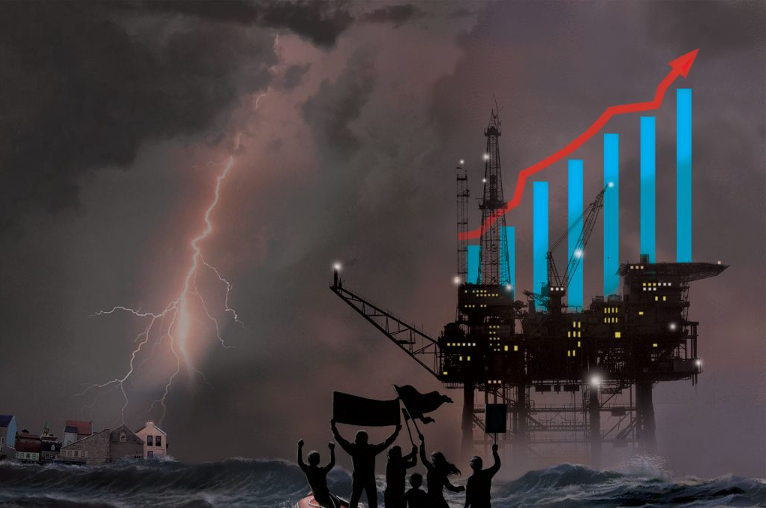
Finance, Fossil Fuels, and Climate Change
In order to understand power, we have to look not just to the fields of extraction and their ruined landscapes, nor only at the immediate effects on water, air, wildlife, and the nearby communities that rely on all three. We also have to look up and down the commodity chain. Attention is currently fixed downstream, at the politics and power manifesting in decisions about who and what is expendable in order to get the bitumen to market.
February 12, 2019

