

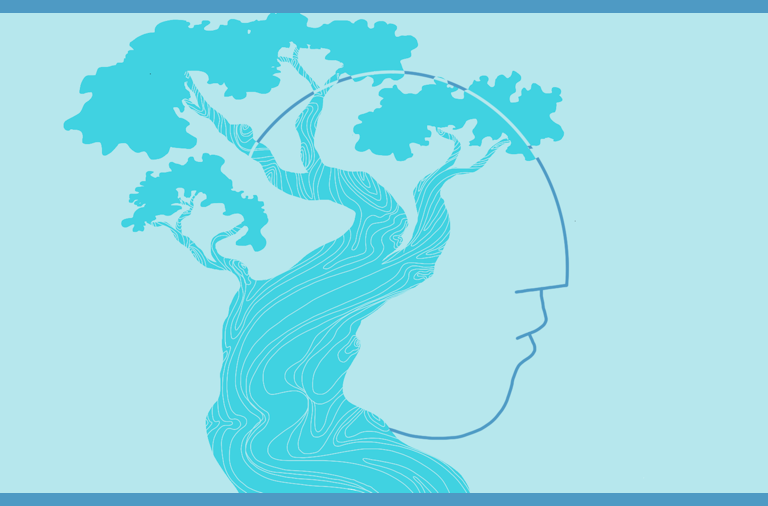
In this fourth episode of our climate science mini-series, we dive into the carbon cycle to understand how the greenhouse gas emissions from fossil fuels accumulate in the atmosphere. We also discuss how climate science is taught, the concepts that students struggle to understand, and what the science of human reasoning and teaching can tell us about how best to communicate this enormously complex subject to a lay audience. Our guest is Dr. Sara Harris, a professor at the University of British Columbia in Vancouver, who is an expert at teaching climate science, and who has published a book titled Understanding Climate Change: Science, Policy and Practice, as well as a self-paced free online course called “Climate Change: The Science.”
Geek rating: 2
Guest: Dr. Sara Harris is a 2015 3M National Teaching Fellow and Professor of Teaching in the department of Earth, Ocean, and Atmospheric Sciences at the University of British Columbia. She has a PhD in Oceanography from Oregon State University (1998) and a research background in paleoceanography and paleoclimate. Her current research explores how people learn climate science.
On Twitter: @SaraEllenHarris
On the Web:
Sara Harris’ faculty page at University of British Columbia
Earth, Ocean and Atmospheric Sciences department at UBC
Carl Wieman Science Education Initiative
Sara Harris’ Researchgate page
Recording date: June 16, 2017
Air date: July 26, 2017



Comments
We changed commenting systems on September 10, 2026 as part of a site-wide functionality and security upgrade. Your past comments have not disappeared, and you can still log in with your old Disqus account credentials if you wish. Contact us with any questions.