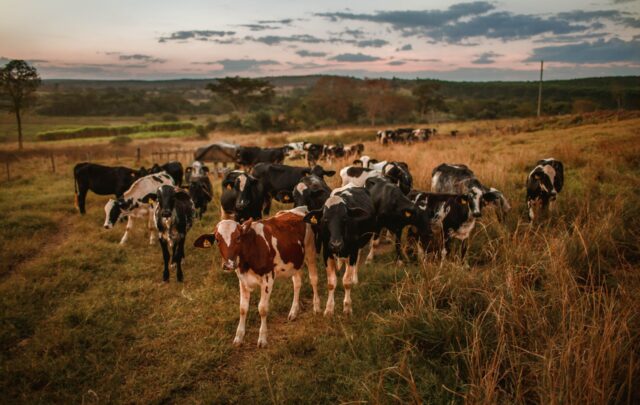
Five years ago, when we first started covering the food waste issue, America was throwing away enough food to fill the Rose Bowl every day. And, unfortunately, not much has happened to change that statistic. But this week on Sea Change Radio, we talk to someone who’s doing his best to change the status quo. First, we dig into the archives from 2011 as food waste expert, blogger and author of American Wasteland, Jonathan Bloom, gives us some perspective on the amount of food we waste from field to fridge in this country. Then, we hear from David Rodriguez, a Mexican immigrant turned Boston-based entrepreneur, who tells us about his startup company Food For All, a mobile app that allows diners a chance to purchase leftover food from restaurants at a steep discount.
Photo credit: By Love Food Hate Waste NZ – Own work, CC BY-SA 4.0
Related Articles
'SELECT SQL_CALC_FOUND_ROWS wp_posts.ID
FROM wp_posts LEFT JOIN wp_term_relationships ON (wp_posts.ID = wp_term_relationships.object_id)
WHERE 1=1 AND wp_posts.ID NOT IN (3463850) AND (
wp_term_relationships.term_taxonomy_id IN (4,8988,8997)
) AND wp_posts.post_type = \'post\' AND ((wp_posts.post_status = \'publish\'))
GROUP BY wp_posts.ID
ORDER BY wp_posts.post_date DESC
LIMIT 0, 3'
By Keith Akers, CASSE
Moving toward plant-based diets will not, by itself, solve the climate problem, but it is necessary for solving it.
September 10, 2026
By Marianne Dhenin, YES! magazine
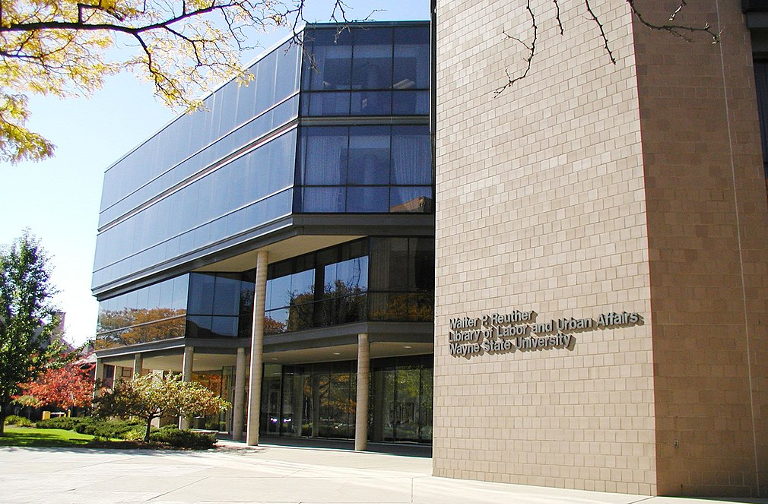
Labor activists take steps to preserve the documents and strategies they use today, so future organizers will have a practical guide.
September 8, 2026
By George Lakey, Waging Nonviolence
Two ways we can honor unions at this time of trial are to ask others to join union picket lines and to learn from their innovations and successes for whatever campaigns we are committed to today.
September 7, 2026






Comments
Welcome to the new Resillience commenting system!
We have moved from the former Disqus commenting system to a new system as of September 10, 2026.
We made this change because of privacy concerns regarding Disqus. It's also part of a set of changes to bring more services to the Resilience community under a single login: commenting, (coming September 2026), and online courses (coming 2027). Unfortunately, your old Disqus comments may not reliably link to your account in this new system. Please contact us if you have any questions or concerns.