


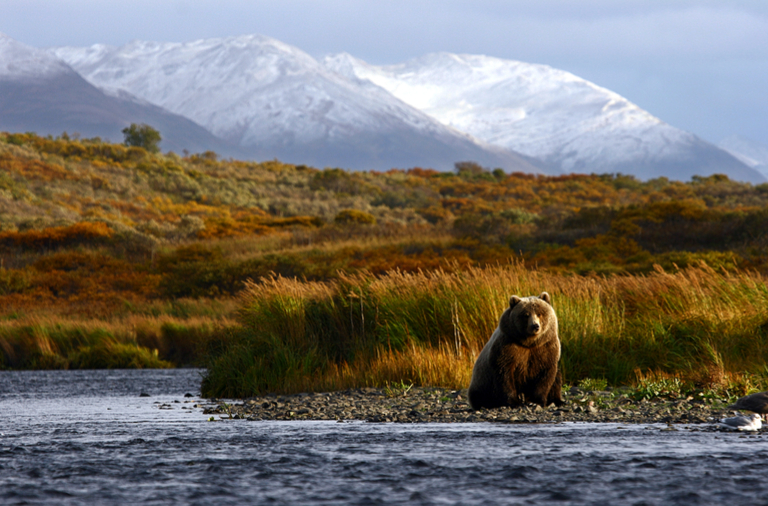
 The Earth has entered a new age—the Anthropocene—in which humans are the most powerful influence on global ecology. Since the mid-twentieth century, the accelerating pace of energy use, greenhouse gas emissions, and population growth has thrust the planet into a massive uncontrolled experiment. The Great Acceleration explains its causes and consequences, highlighting the role of energy systems, as well as trends in climate change, urbanization, and environmentalism.
More than any other factor, human dependence on fossil fuels inaugurated the Anthropocene. Before 1700, people used little in the way of fossil fuels, but over the next two hundred years coal became the most important energy source. When oil entered the picture, coal and oil soon accounted for seventy-five percent of human energy use. This allowed far more economic activity and produced a higher standard of living than people had ever known—but it created far more ecological disruption.


Welcome to the new Resillience commenting system!
We have moved from the former Disqus commenting system to a new system as of September 10, 2026.
We made this change because of privacy concerns regarding Disqus. It's also part of a set of changes to bring more services to the Resilience community under a single login: commenting, (coming September 2026), and online courses (coming 2027). Unfortunately, your old Disqus comments may not reliably link to your account in this new system. Please contact us if you have any questions or concerns.