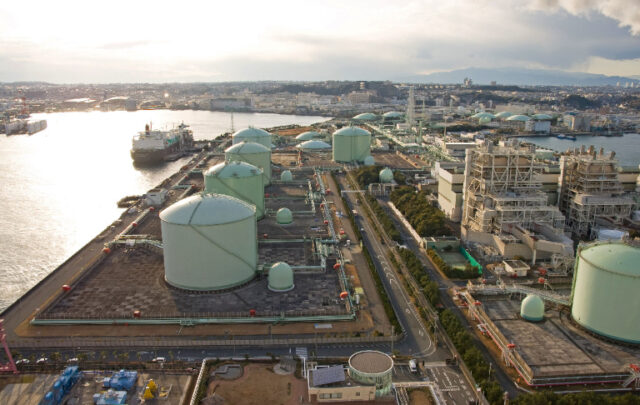
A fascinating talk by J. David Hughes, a research fellow at the Post Carbon Institute, given at Cornell Universtiy on 5-2-12, "Energy Sustainability Dilemma : Powering the Future in a Finite World". Most of the easy energy is gone. Now we are pursuing Deep Ocean Drilling, Tar Sands, Fracked Shale Gas, etc. Are we heading for a dead end? What about Wind and Solar? Can they make up the difference? This talk is somewhat technical, but essential if we are to understand our energy options as our society pushes for more energy The slides are here.

The Energy Sustainability Dilemma : Powering the Future in a Finite World
By David Hughes, originally published by Shale Shock Media
November 4, 2013
David Hughes
David Hughes is an earth scientist who has studied the energy resources of Canada for four decades, including 32 years with the Geological Survey of Canada as a scientist and research manager. He developed the National Coal Inventory to determine the availability and environmental constraints associated with Canada’s coal resources. As Team Leader for Unconventional Gas on the Canadian Gas Potential Committee, he coordinated the publication of a comprehensive assessment of Canada’s unconventional natural gas potential.
Over the past decade, Hughes has researched, published and lectured widely on global energy and sustainability issues in North America and internationally. His work with Post Carbon Institute includes: a series of papers (2011) on the challenges of natural gas being a “bridge fuel” from coal to renewables; Drill, Baby, Drill (2013), which took a far-ranging look at the prospects for various unconventional fuels in the United States; Drilling California (2013), which critically examined the U.S. Energy Information Administration’s (EIA) estimates of technically recoverable tight oil in the Monterey Shale, which the EIA claimed constituted two-thirds of U.S. tight oil (the EIA subsequently wrote down its resource estimate for the Monterey by 96%); Drilling Deeper (2014), which challenged the U.S. Department of Energy’s expectation of long-term domestic oil and natural gas abundance with an in depth assessment of all drilling and production data from the major shale plays through mid-2014; and Shale Gas Reality Check (2015) and Tight Oil Reality Check (2015), updates to Drilling Deeper. Separately from Post Carbon, Hughes authored BC LNG: A Reality Check in 2014 and A Clear View of BC LNG in 2015, which examined the issues surrounding a proposed massive scale-up of shale gas production in British Columbia for LNG export.
Hughes is president of Global Sustainability Research, a consultancy dedicated to research on energy and sustainability issues. He is also a board member of Physicians, Scientists & Engineers for Healthy Energy (PSE\Healthy Energy) and is a Fellow of Post Carbon Institute. Hughes contributed to Carbon Shift, an anthology edited by Thomas Homer-Dixon on the twin issues of peak energy and climate change, and his work has been featured in Nature, Canadian Business, Bloomberg, USA Today, as well as other popular press, radio, and television.
Tags: Biomass, Coal, EROEI, Fracking, Natural Gas, Oil, Renewables, Shale gas, tight oil
Related Articles
Infrastructure, finance, and the sale of the future
By Bart Hawkins Kreps, An Outside Chance
Mitchell’s new book reinforces this essential point. We must see through the alibi of capital, we must reclaim society from the grip of the economy, and we must change the rules of the game to save our collective future.
October 9, 2026

Remembering Richard Heinberg: Why I made degrowth art in his memory
By James Murphy, James Murphy on Substack
The messages and body of work that Richard leaves behind encourage us all to keep striving, creating, and living well within our planet’s limits.
October 8, 2026
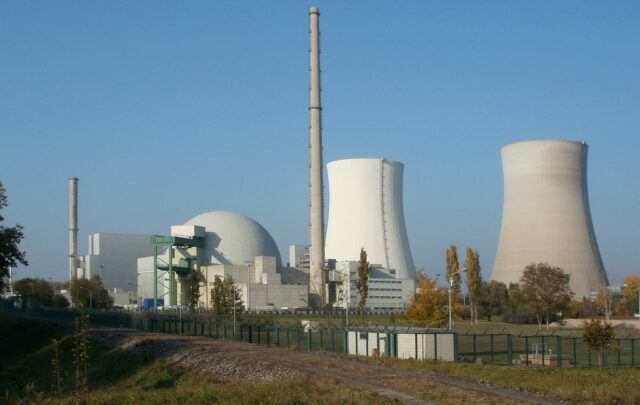
9,000-acre nuclear-powered data center proposed on public lands in Utah
By Will Pattiz, More Than Just Parks
The facility calls for 456 small nuclear reactors, nuclear fuel production and nuclear waste storage. On the same day it surfaced, Sen. Ron Wyden introduced legislation that would ban new data centers.
October 6, 2026




Comments
We changed commenting systems on September 10, 2026 as part of a site-wide functionality and security upgrade. Your past comments have not disappeared, and you can still log in with your old Disqus account credentials if you wish. Contact us with any questions.