NOTE: Images in this archived article have been removed.
This essay comes from the book ENERGY: Overdevelopment and the Delusion of Endless Growth Published by the Foundation for Deep Ecology in collaboration with Watershed Media and Post Carbon Institute.
Download: Outsourcing Pollution and Energy-Intensive Production
Outsourcing Pollution and Energy-Intensive Production – Vandana Shiva
 Read more and take action at energy-reality.org
Vandana Shiva is a world-renowned environmental thinker and activist, a leader in the International Forum on Globalisation, and of the Slow Food Movement. Director of Navdanya and of the Research Foundation for Science, Technology and Ecology, and a tireless crusader for farmers’, peasants’, and women’s rights, she is the author and editor of a score of influential books, among them Making Peace with the Earth; Soil Not Oil; Globalisation’s New Wars; Seed Sovereignty, Food Security: Women in the Vanguard; and Who Really Feeds the World?. Her latest book is Oneness vs the 1% (Chelsea Green Publishing, August 2020).
Tags: Biofuels, carbon emissions, climate change, energy-reality, globalization, Pollution
Related Articles
'SELECT SQL_CALC_FOUND_ROWS wp_posts.ID
FROM wp_posts LEFT JOIN wp_term_relationships ON (wp_posts.ID = wp_term_relationships.object_id)
WHERE 1=1 AND wp_posts.ID NOT IN (1919679) AND (
wp_term_relationships.term_taxonomy_id IN (3)
) AND wp_posts.post_type = \'post\' AND ((wp_posts.post_status = \'publish\'))
GROUP BY wp_posts.ID
ORDER BY wp_posts.post_date DESC
LIMIT 0, 3'
By Rob Lewis, The Climate According to Life
For years, as a classic climate activist, I didn’t think to consider how logging might be contributing to inland fires. I saw only carbon.
September 10, 2026
By Tara Lohan, Resilience.org
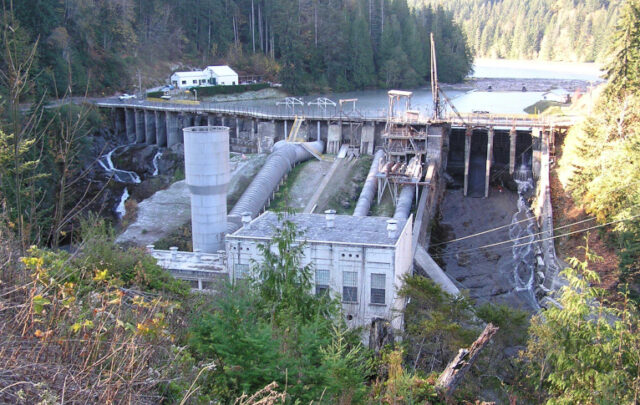
After centuries of dam building, a nationwide movement to dismantle these aging barriers is showing how free-flowing rivers can restore ecosystems, improve safety, and reconnect people with nature.
September 9, 2026
By Brian Kaller, Restoring Mayberry blog
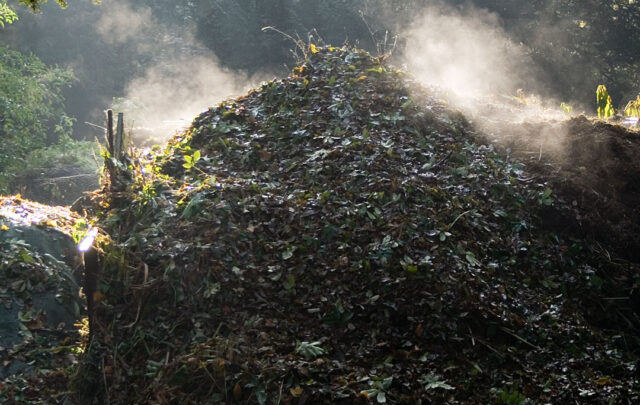
Imagine being able to compost almost everything and keep the majority of the biomass. Imagine, finally, that it only takes a matter of weeks, not months.
September 8, 2026






Comments
Welcome to the new Resillience commenting system!
We have moved from the former Disqus commenting system to a new system as of September 10, 2026.
We made this change because of privacy concerns regarding Disqus. It's also part of a set of changes to bring more services to the Resilience community under a single login: commenting, (coming September 2026), and online courses (coming 2027). Unfortunately, your old Disqus comments may not reliably link to your account in this new system. Please contact us if you have any questions or concerns.