

Thanks to all who took part in our webchat which took place here on April 28th. Also, thanks to those who sent questions before.

Related Articles
'SELECT SQL_CALC_FOUND_ROWS wp_posts.ID
FROM wp_posts LEFT JOIN wp_term_relationships ON (wp_posts.ID = wp_term_relationships.object_id)
WHERE 1=1 AND wp_posts.ID NOT IN (1253471) AND (
wp_term_relationships.term_taxonomy_id IN (2)
) AND wp_posts.post_type = \'post\' AND ((wp_posts.post_status = \'publish\'))
GROUP BY wp_posts.ID
ORDER BY wp_posts.post_date DESC
LIMIT 0, 3'
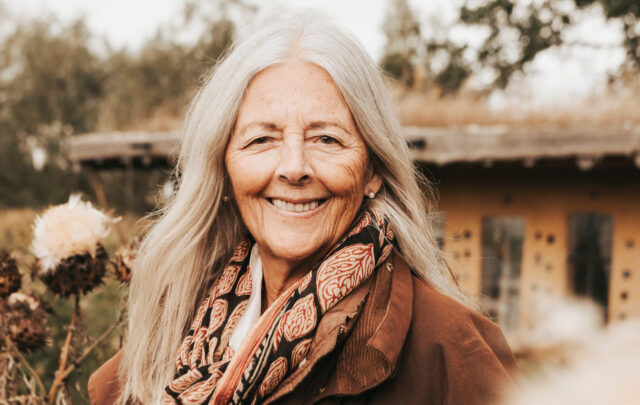
World Localization Day: Helena Norberg-Hodge on rebuilding local economies
In honor of World Localization Day, Helena Norberg-Hodge, founder of Local Futures and pioneer of the Localization movement, reflects on decades of work as an activist and the dangers that global, deregulated corporations pose to the global economy and the environmental movement.
June 19, 2026
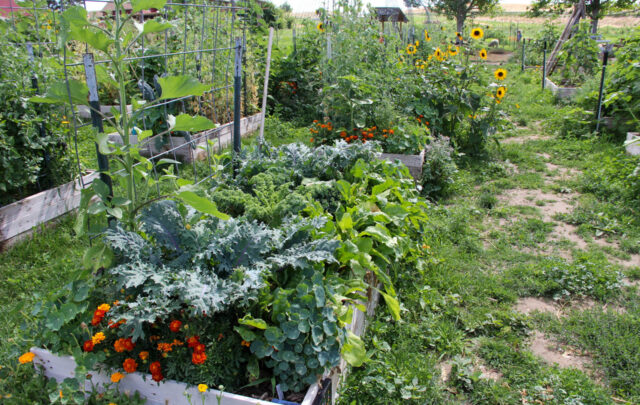
Seeds Series Volume 2: Building beyond systems that oppress
This chapter from r3.0’s latest Seeds Series explores how societies can move beyond extractive economic systems by embracing systems thinking, place-based resilience and regenerative approaches to food, energy and community development.
June 4, 2026
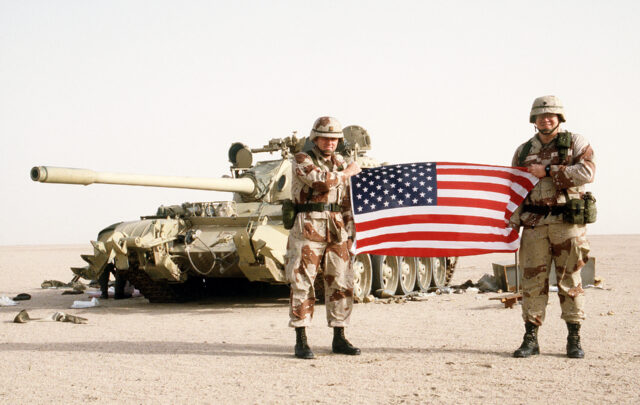
Every warship launched is a local disaster: How U.S. military spending drains local communities
As Trump’s Iran war devours billions, a Connecticut town closes a public school and shuffles vulnerable kids to plug a budget gap. Drawing on Eisenhower’s warning about “guns” stealing from the hungry and cold, this piece discusses how runaway U.S. militarism quietly wrecks local lives and communities.
June 1, 2026

