


Prices and production
A variety of factors combined to send oil prices down over $2 a barrel this week, with a close at $77.74 on Wednesday. Fears that a tighter monetary policy will reduce Beijing’s demand for oil in the coming year, combined with a stronger dollar, warmer weather in the US, and expectations that US stocks report due out on Thursday will show inventories continuing to grow, all contributed to the decline. Yet API’s numbers indicated that oil supplies actually dropped last week by 1.8 million barrels, the opposite of analysts’ expectations.
Hydro-electric power shortages caused by widespread droughts are threatening serious problems in many parts of the world. Analysts are raising the possibility that Venezuela eventually may be forced to divert electricity to its powered-starved cities and shut down a 940,000 b/d refinery, thereby sending gasoline prices higher.
Pakistan is very short on both electric power and natural gas. Load shedding is running 15-16 hours a day and in some areas the power has been off for days. Pakistan has suspended natural gas delivery to many industrial firms. In Nepal load shedding is now up to 9 hours a day.
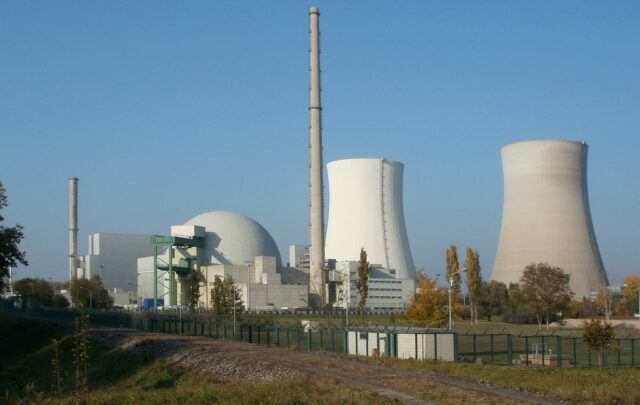
The Iranian nuclear situation continues to fester with Tehran promising revenge against Israel and the US for the assassination of an Iranian nuclear scientist last week. Berlin has warned Tehran that it faces new sanctions unless it changes its position on nuclear enrichment; China continues to urge the West to be flexible. The Iranians have announced that they expect to start up their first nuclear power plant later this year. Construction on the plant was begun in the 1970’s, halted by the 1979 revolution, and is currently being completed with Russian help.
Goldman Sachs says there will be an oil price spike to over $100 a barrel, but it will not come until 2011.
China clamps down
Equity markets fell yesterday on the news that Beijing is placing still stronger restrictions on lending by its banks. The higher interest rates and reserve requirements that were imposed several weeks ago seem to have done little good as the breakneck lending continued in January. During the first two weeks of the month banks were lending at a pace that was four times the government’s desired rate. Yesterday, banks were said to have received verbal instructions to reduce lending and some were told to halt all loans until the situation stabilizes.
While the new restrictions are intended to slow the rapid increase in real estate and stock market values, some fear that reductions in lending could lead to a more general economic decline that would slow China’s meteoric growth and stifle commodity imports. China watchers are of mixed opinion on how this situation will evolve. Some foresee an imminent slowdown for China’s whole economy while others believe the problems will be limited to real estate.




Comments
We changed commenting systems on September 10, 2026 as part of a site-wide functionality and security upgrade. Your past comments have not disappeared, and you can still log in with your old Disqus account credentials if you wish. Contact us with any questions.