Click on the headline (link) for the full text.
Many more articles are available through the Energy Bulletin homepage
UK allotments boom as thousands go to ground in recession
Rebecca Smithers, The Guardian
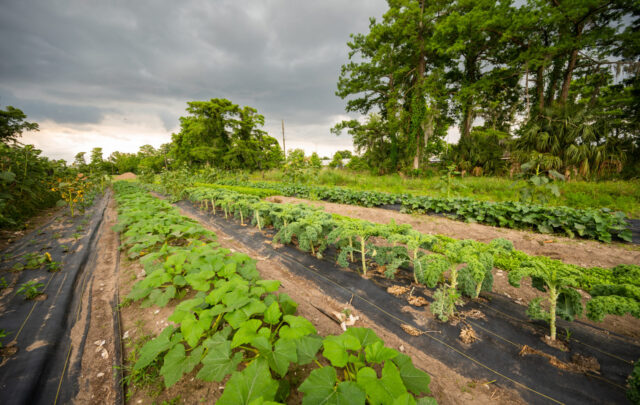
In the boom times of the 1980s, councils sold off allotments in their tens of thousands as it seemed no one in the Britain of conspicuous consumption could be persuaded to grow a single leek of their own. But as recession bites, the growing enthusiasm for homegrown veg has seen more than 100,000 people join waiting lists for a patch of land as demand hits an all-time high.
Today, following the initiative of chef and “real food” campaigner Hugh Fearnley-Whittingstall, the National Trust is throwing its weight behind a campaign to share unused land, creating up to 1,000 new plots for use as allotments or community gardens.
(19 February 2009)
Related:
http://www.independent.co.uk/environment/nature/how-stately-home-land-co…
http://news.bbc.co.uk/1/hi/sci/tech/7898314.stm KS.
NYT on Urban Composting: A New Can of Worms
Mireya Navarro, New York Times
ON a recent Saturday afternoon, Stephanie Stern and her husband poured 1,000 wriggling red worms from a brown bag into a plastic bin outside their bathroom, looked down and hoped for the best.
If things went well, the worms, already burrowing into their bed of shredded newspapers, would soon be eating three pounds of food scraps a week, reducing the couple’s trash and producing fertilizer for their plants.
If not, the bin would stink up their one-bedroom apartment in Cobble Hill, Brooklyn, and attract clouds of fruit flies.
“I’m a little nervous because I’ve heard the stories,” said Ms. Stern, 32, a museum educator.
Composting in New York City is not for the faint of heart. It requires commitment, space and sharing tight quarters with rotting matter and two-inch-long wiggler worms that look like pulsing vermicelli.
But an increasing number of New Yorkers have been taking up the challenge, turning their fruit skins and eggshells into nutritious crumbly soil in an effort they regard as the natural next step to recycling paper, bottles and cans.
(18 February 2009)
Portland, Maine allows backyard chickens
Tom Bell, Portland Press Herald
… Portland City Council voted 7-1 to remove its long-standing ban on chickens and allow people to keep up to six hens within city limits.
An even dozen proponents of the measure spoke, and most said the issue is much bigger than a few chickens.
They said the measure is part of a broader movement to create a situation in which food sources are found as close to home as possible. The idea is to reduce emissions generated when food is transported long distances.
Moreover, the chicken supporters said, people have more security when food sources are local.
“This brings us one step closer to sustainability — an idea that appeals to us all,” said Lori Power of the Portland Maine Permaculture Meetup Group.
… Portland is just the latest municipality to pass a chicken ordinance. Last fall, Falmouth removed all legal barriers to chickens in backyards. South Portland did the same in 2007. Biddeford and Westbrook also allow the raising of chickens for personal use.
(19 February 2009)
EB reader Glenn Harmon writes:
Follows through on reccomendations made last year in the City’s Sustainability Task Force report.