

'SELECT SQL_CALC_FOUND_ROWS wp_posts.ID
FROM wp_posts INNER JOIN wp_postmeta ON ( wp_posts.ID = wp_postmeta.post_id )
WHERE 1=1 AND (
wp_posts.ID NOT IN (
SELECT object_id
FROM wp_term_relationships
WHERE term_taxonomy_id IN (47485,47486)
)
) AND (
(
( wp_postmeta.meta_key = \'the_author\' AND wp_postmeta.meta_value = \'1154124\' )
OR
( wp_postmeta.meta_key = \'secondary_author\' AND wp_postmeta.meta_value LIKE \'{94f9484918de96c64ace3b19bf03b889abc1e22437bc1fcd865239da2882ded8}\\"1154124\\"{94f9484918de96c64ace3b19bf03b889abc1e22437bc1fcd865239da2882ded8}\' )
)
) AND wp_posts.post_type = \'post\' AND ((wp_posts.post_status = \'publish\'))
GROUP BY wp_posts.ID
ORDER BY wp_posts.post_date DESC
LIMIT 0, 6'
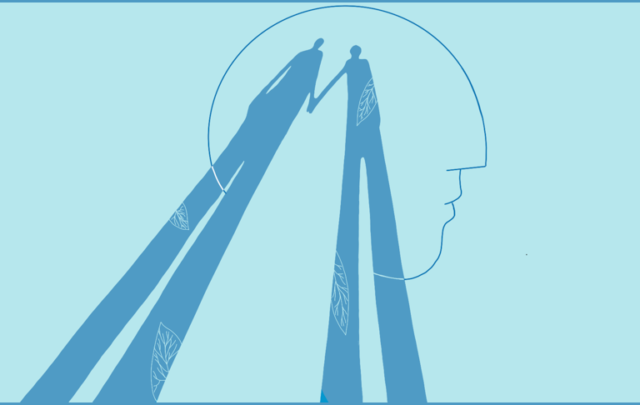
Addiction and recovery as a partner for Transition
One could argue that the principles common in addiction recovery hold much wisdom for a transition process. To truly “recover” from an addiction one must go through the transition of recognizing first that one’s way of life is not working—the compulsion with the behavior or substance is getting in the way of one’s relationships, health, future well-being, and growth. In other words, one recognizes their desire to consume is insatiable and destructive, and a change is needed.
March 10, 2011

