

'SELECT SQL_CALC_FOUND_ROWS wp_posts.ID
FROM wp_posts INNER JOIN wp_postmeta ON ( wp_posts.ID = wp_postmeta.post_id )
WHERE 1=1 AND (
wp_posts.ID NOT IN (
SELECT object_id
FROM wp_term_relationships
WHERE term_taxonomy_id IN (47485,47486)
)
) AND (
(
( wp_postmeta.meta_key = \'the_author\' AND wp_postmeta.meta_value = \'1152895\' )
OR
( wp_postmeta.meta_key = \'secondary_author\' AND wp_postmeta.meta_value LIKE \'{71afc6a69ec8523fddc9e50bfbe2dec164ebdd8a0d618aa5de79ed3956d4875d}\\"1152895\\"{71afc6a69ec8523fddc9e50bfbe2dec164ebdd8a0d618aa5de79ed3956d4875d}\' )
)
) AND wp_posts.post_type = \'post\' AND ((wp_posts.post_status = \'publish\'))
GROUP BY wp_posts.ID
ORDER BY wp_posts.post_date DESC
LIMIT 0, 6'
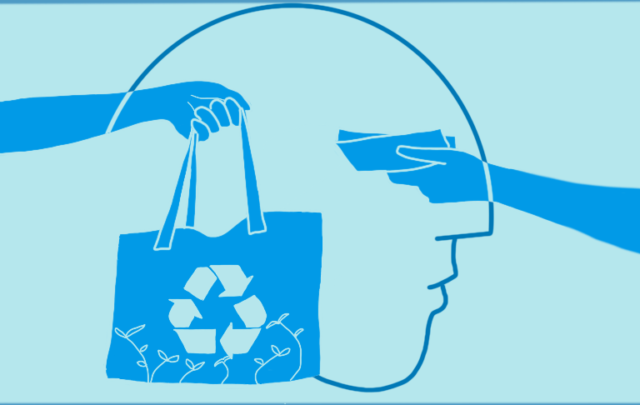
Green economy and growth: Fiddling while Rome burns?
“Fiddling while Rome burns” may seem a stale analogy, but when talking of “green growth” and “green economy” (GGE, for short), it is appropriate. Despite assertions to the contrary, the only thing innovative about the GGE concepts is the buzz that surrounds them. Getting excited about them when they are hardly new or creative notions blithely ignores their critical limitations for dealing with the social and ecological challenges facing us today.
January 25, 2012

